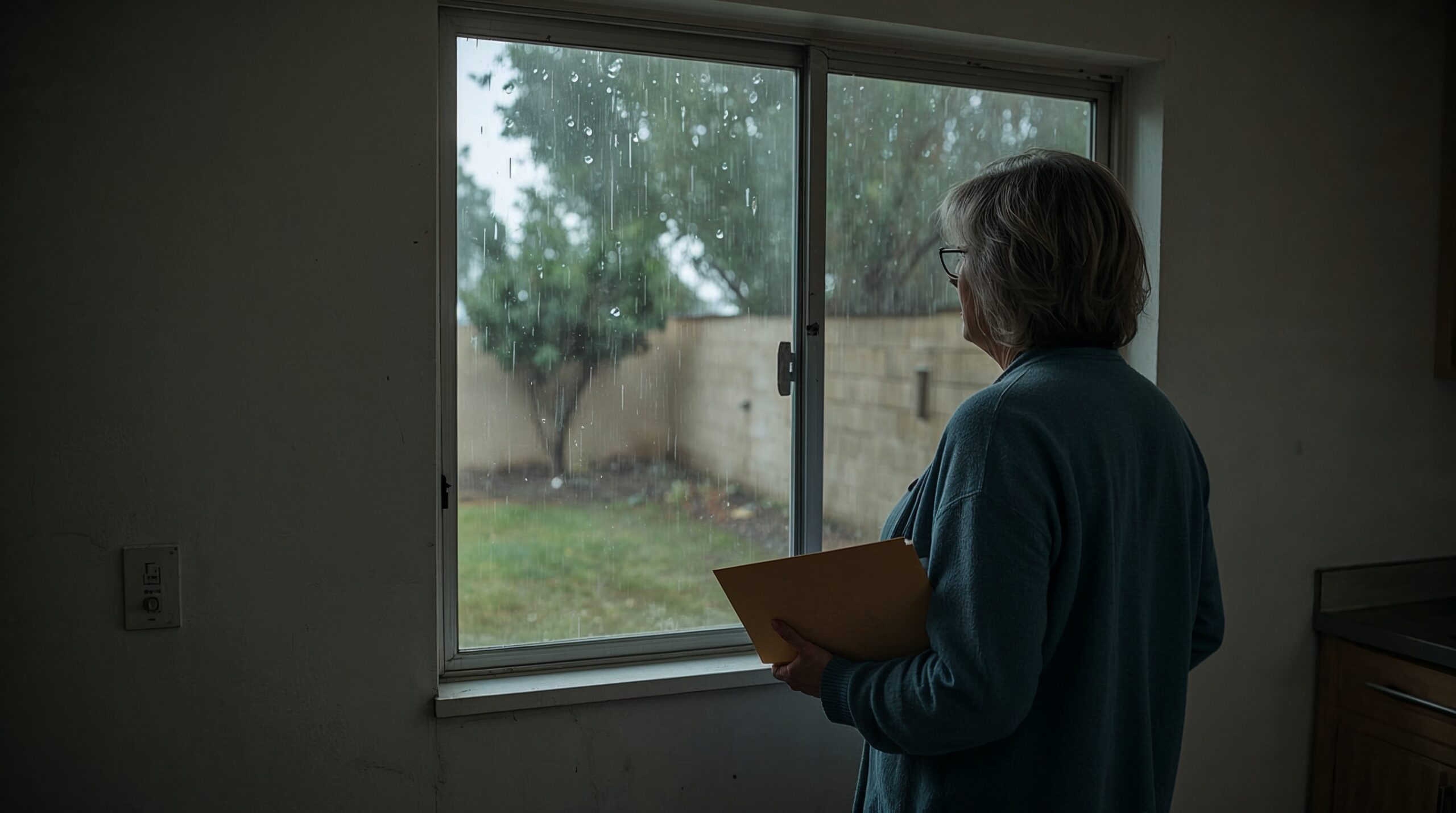
A story John hears every week
If I challenge it, do I lose what she left me?
Illustration. Not a real client.
Mom’s trust leaves you twenty percent and your brother the house and the rest. It wasn’t always that way. The version you saw ten years ago split things down the middle.
And there’s one paragraph you’ve read forty times. It says that anyone who contests the trust gets nothing at all.
So you haven’t called anyone. Twenty percent is something. You keep thinking that’s exactly why the paragraph is there.
What usually decides a case like this
Whether you have a good reason, more than what the clause says. Since 2010, California enforces a no-contest clause against a direct challenge only when it is brought without probable cause: without enough facts that a reasonable person would believe there’s a real chance of winning. A clause can reach certain other claims too, but only if it says so plainly.
So the real question is what you know and what the documents show. That’s a conversation to have before you file anything, and it’s often the first one John has with a family in this spot.
Questions families ask in this spot
Can I ask questions without setting off the clause?
Generally, yes. Asking for a copy of the trust, an accounting, or information about how it’s being run isn’t a contest. Talking to a lawyer isn’t either.
What counts as probable cause?
Roughly, enough facts that a reasonable person would believe there’s a real chance the court will agree with you, after a chance to investigate. Medical records, the timing of a change and who arranged it are the facts that usually matter.
What if I lose?
If you had probable cause, the clause generally can’t take away what you were left, even if the court rules against you. That’s why the facts are worth looking at first.
What you can do
- Don’t file anything on your own, and don’t let the deadline pass either.
- Ask in writing for a copy of the trust, every amendment, and any earlier versions you know of.
- Find the date on the trustee’s notice. The 120-day clock may already be running.
- Write down when the plan changed, as best you know, and what was happening in Mom’s life then.
- Call John and ask about the clause first. That conversation doesn’t set it off.
More stories John hears
The house in Mom’s name
“Mom kept it simple. Now nobody can sell the house.”
No trust, no fight, just a house in Mom’s name. And nothing moves without the court.
Cut out at the end
“They always said it would be split three ways.”
Mom and Dad always said everything would be split evenly. The trust that surfaced after the funeral says otherwise.
The house
The “For Sale” sign went up before anyone called you.
The house went on the market before anyone asked you.