A story John hears every week
There was a trust. The house just never made it in.
Illustration. Not a real client.
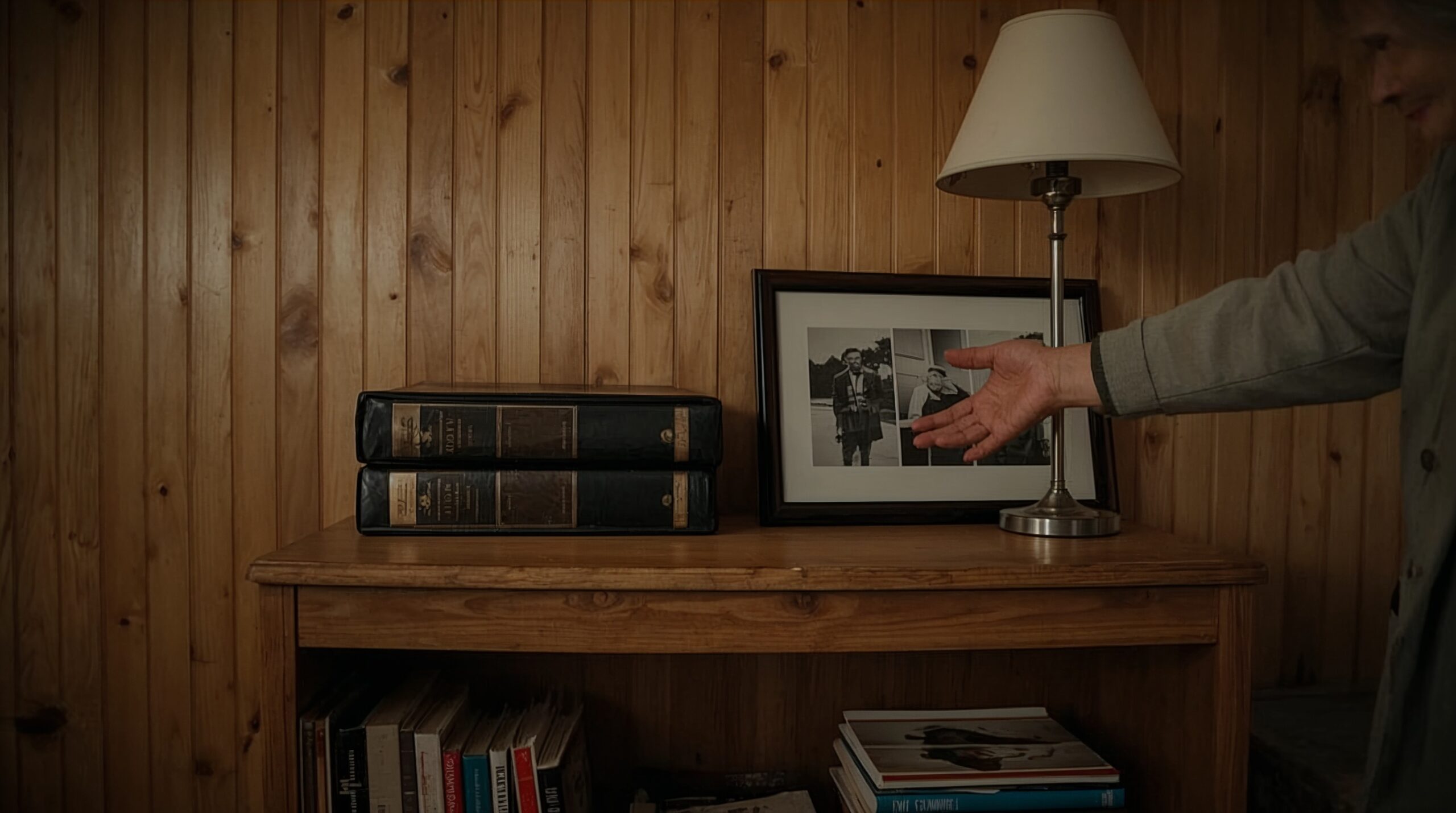
Dad was proud of his trust. He paid a lawyer for it years ago, kept the binder on the bookshelf in the den, and told all three of you it meant no probate, no lawyers, no fighting.
After the funeral, your sister called the title company. The house is still in Dad’s own name. The deed was never changed. As far as the county is concerned, the house was never in the trust at all.
Now your brother says that means probate, and that as the oldest he should be in charge of it. The binder is still on the shelf. Nobody knows what it’s worth anymore.
What usually decides a case like this
What Dad meant, and what the papers show. A trust only controls what was actually put into it. But a California court can often confirm that a house belongs to the trust when the trust itself, or papers signed with it, show the person clearly meant it to be there. Families tend to assume the trust failed. Often it didn’t. It just wasn’t finished.
If that path doesn’t fit, many trusts come with a companion will that sends anything left outside into the trust. That route usually runs through probate, but it still ends with the trust’s instructions, not with whoever claims to be in charge.
Questions families ask in this spot
Does this mean the trust is worthless?
No. Everything that did make it into the trust is still governed by it, and the house may be able to join it. The trust’s instructions usually still decide who gets what.
My brother says he’s in charge because he’s the oldest.
Age doesn’t decide it. The trust names a successor trustee, and if a probate is needed, the will usually names an executor. If no one is named, the court decides, not birth order.
How long does fixing it take?
A petition to confirm the house belongs to the trust is usually much shorter than a full probate. John will tell you which route fits once he has seen the trust, any will signed with it, and the deed.
What you can do
- Find the trust binder and any list of assets attached to it.
- Look for a will signed the same day. Many trusts come with one.
- Get a copy of the current deed to the house from the county recorder.
- Don’t let anyone list the house or move into it until it’s clear who has authority.
- Call John with the trust, the will and the deed in hand.
More stories John hears
The helper
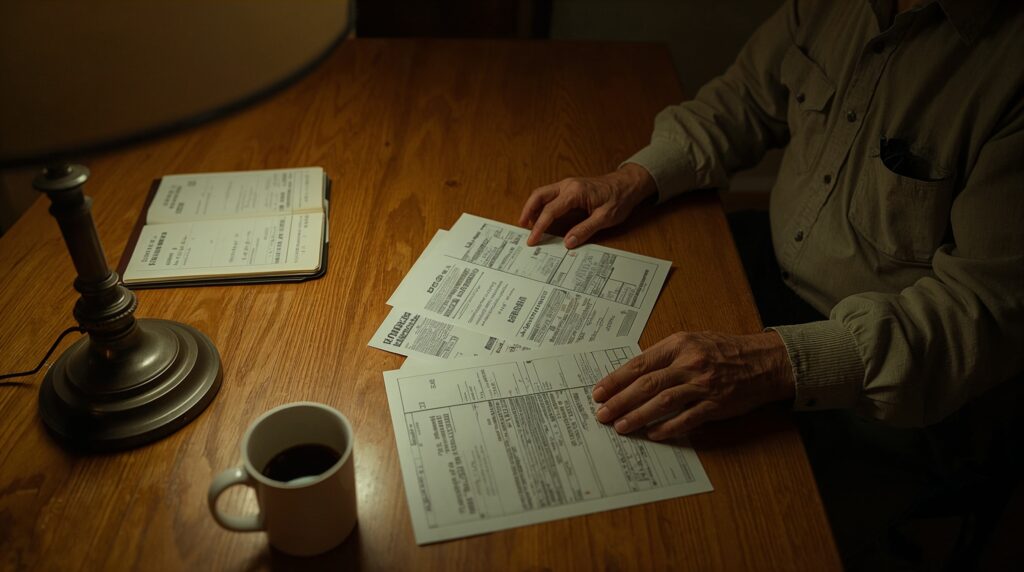
“By the time she died, the accounts were already empty.”
A cousin helped with the bills, then held the power of attorney. After the funeral, the statements told the rest.
The changed form
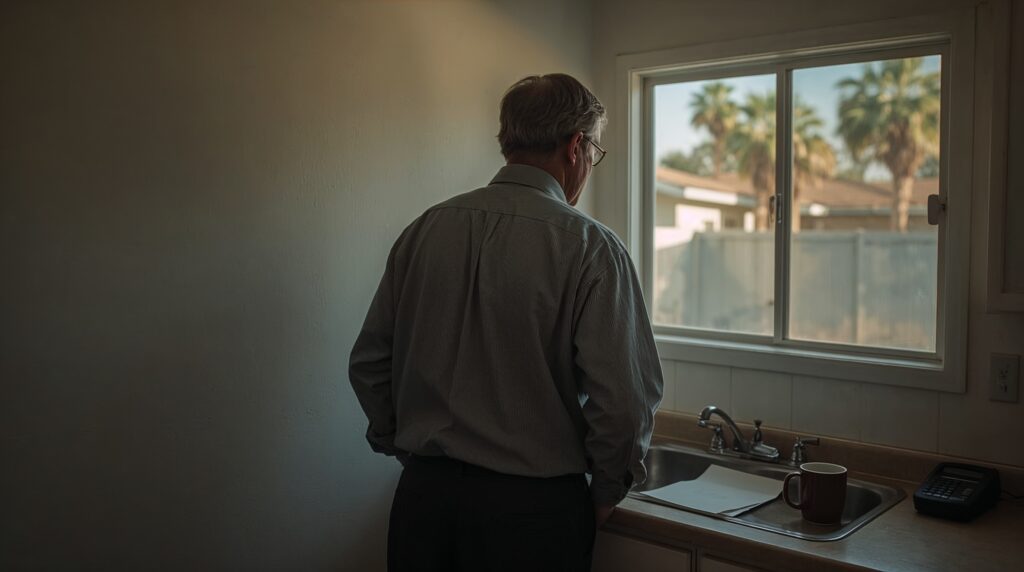
“The will says equal. The insurance went to one person.”
The will split everything three ways. The life insurance and the IRA paid one son.
Out of state
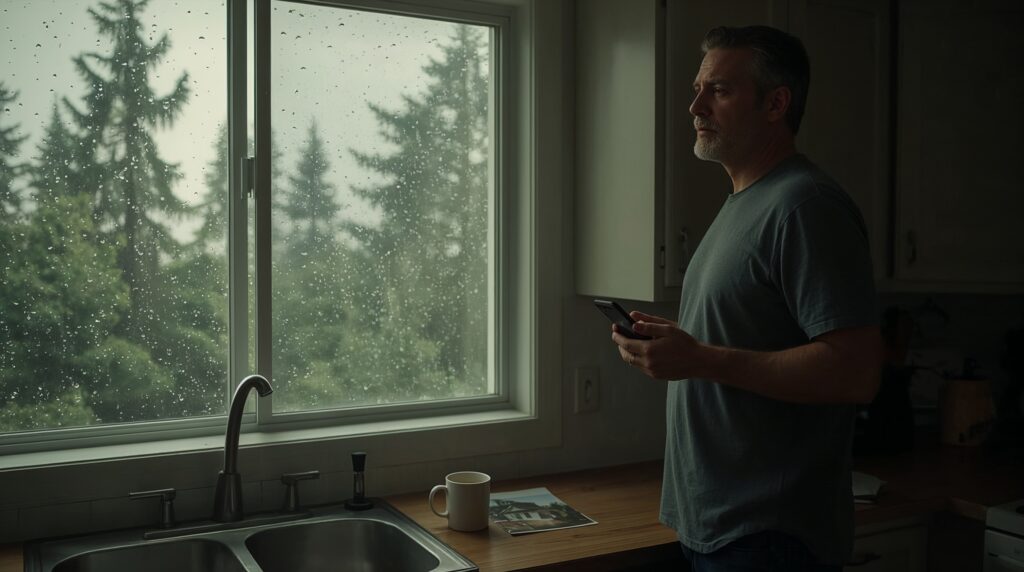
You moved away. Your brother stayed. Now Mom’s gone.
Every question gets the same answer: “You weren’t here.” Most of this can be handled from where you live.