Stories
Twelve stories John hears every week
Different families, the same feeling: something changed near the end, and nobody will explain it. Find the one that sounds like yours.
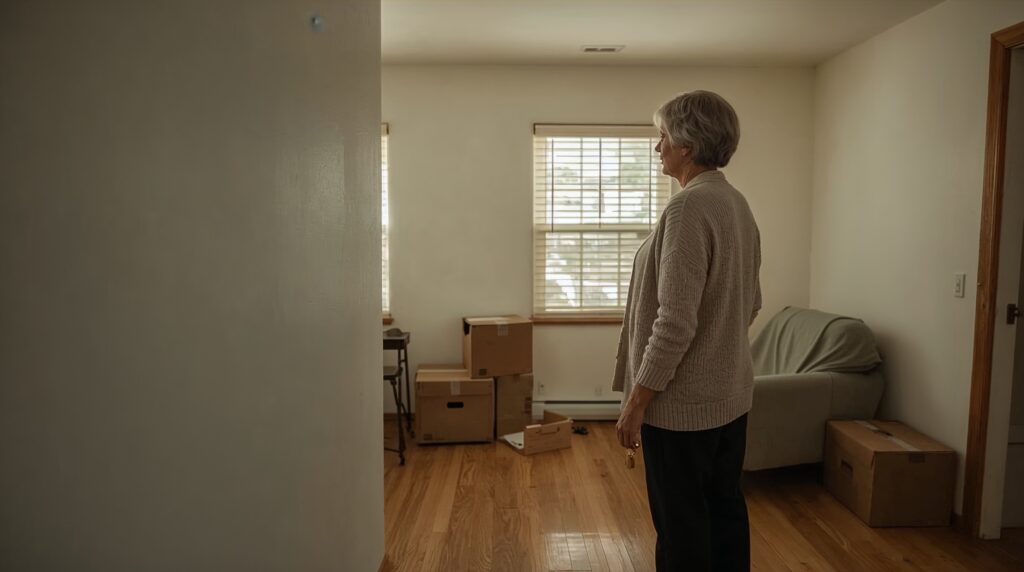
The house in Mom’s name
“Mom kept it simple. Now nobody can sell the house.”
No trust, no fight, just a house in Mom’s name. And nothing moves without the court.
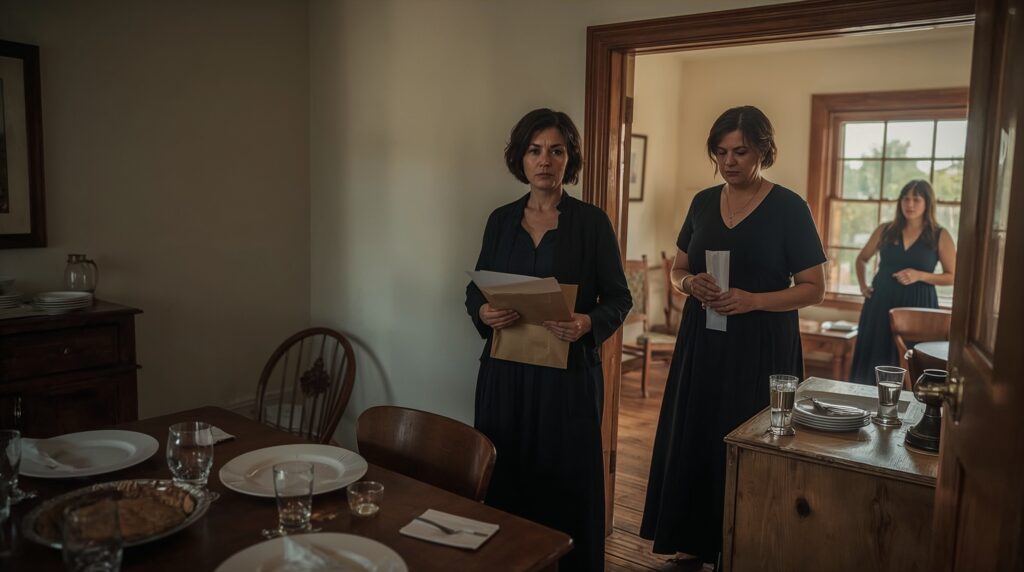
Cut out at the end
“They always said it would be split three ways.”
Mom and Dad always said everything would be split evenly. The trust that surfaced after the funeral says otherwise.
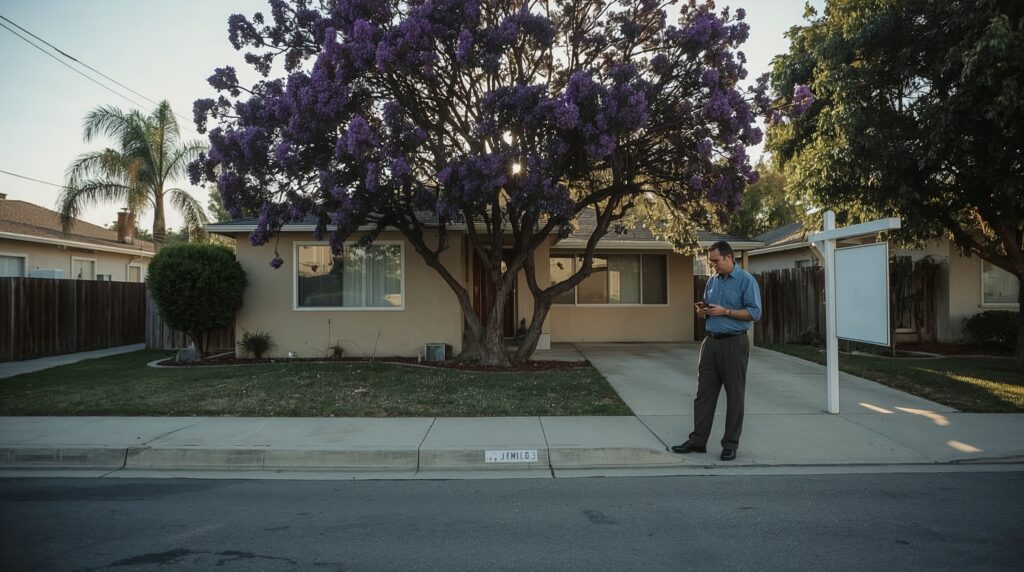
The house
The “For Sale” sign went up before anyone called you.
The house went on the market before anyone asked you.
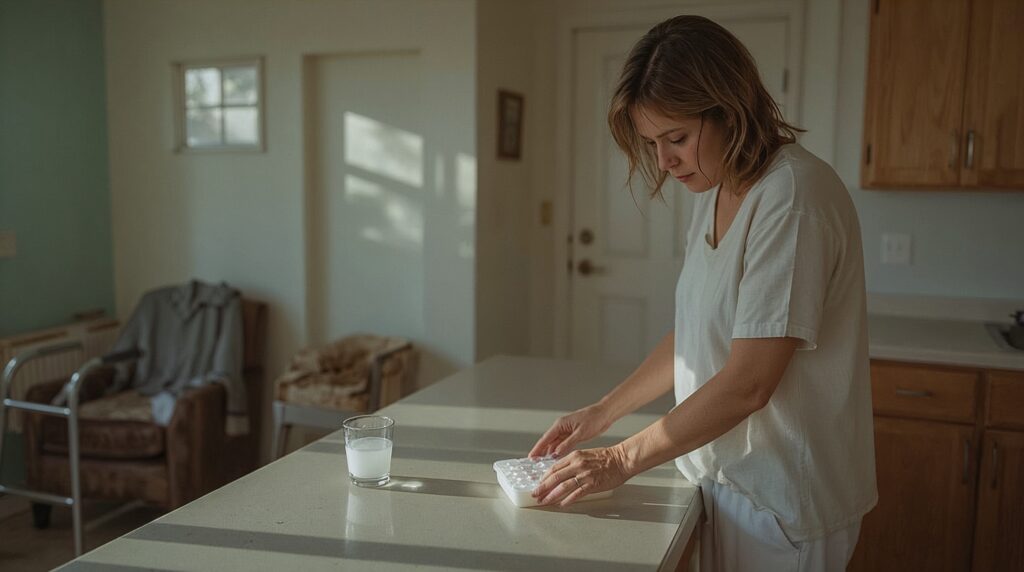
The caregiver
You were the one who stayed.
Six years of caregiving, and a new will signed the one week your brother visited.
The second wife
“Dad’s wife got everything. Her kids get it next.”
For years the plan included his children. In his last two years, it changed to everything to her.

The late change
The diagnosis and the signature, the same month.
Dad’s dementia was in his medical chart. So was the new trust amendment.

The trustee
Your sister is the trustee. You haven’t seen a single statement.
Two years later, one phone call and a copy of the death certificate.
The unfinished trust
“There was a trust. The house just never made it in.”
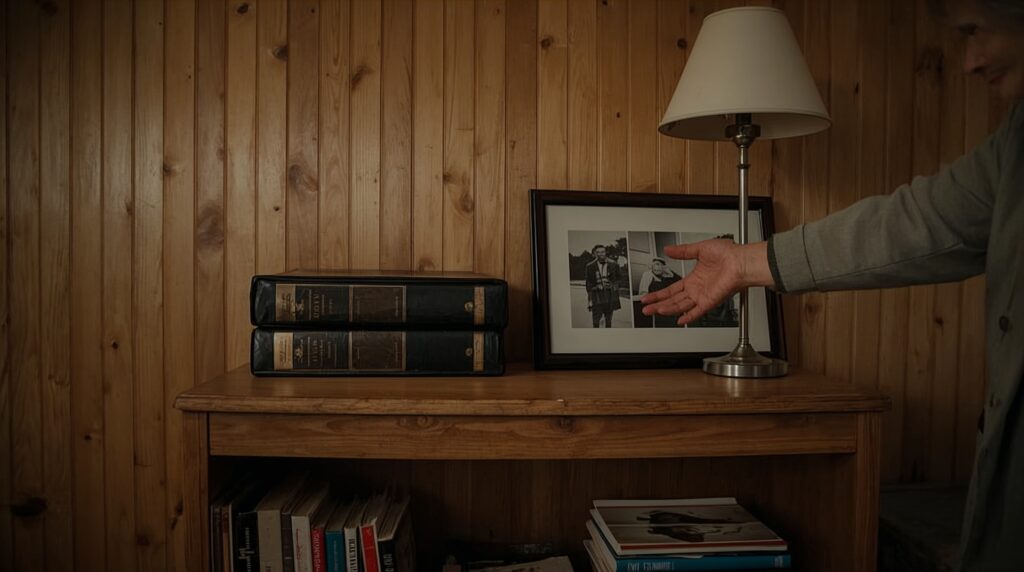
Dad paid for a trust and kept the binder on the shelf. Nobody ever put the house in it.
The helper
“By the time she died, the accounts were already empty.”
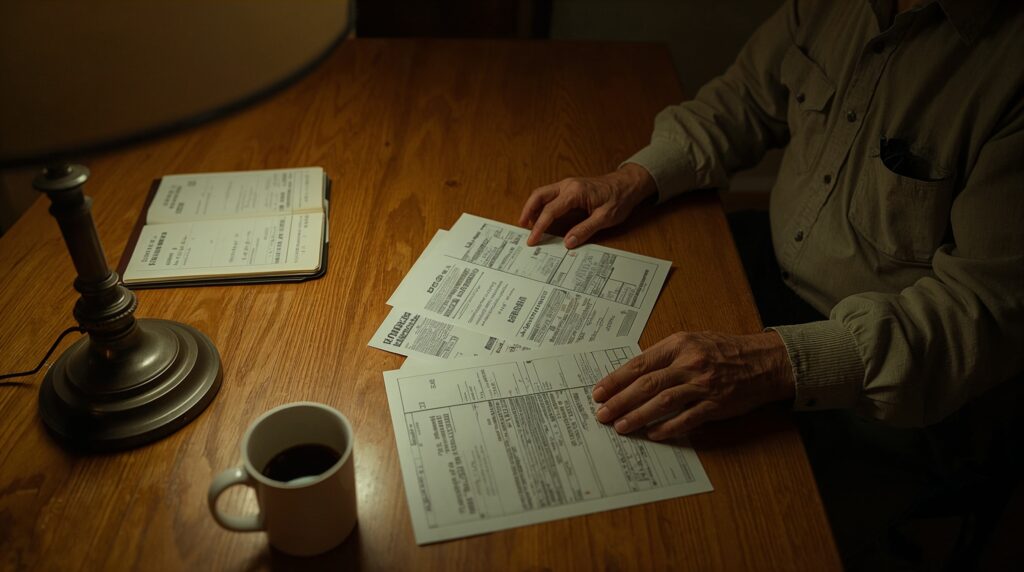
A cousin helped with the bills, then held the power of attorney. After the funeral, the statements told the rest.
The changed form
“The will says equal. The insurance went to one person.”
The will split everything three ways. The life insurance and the IRA paid one son.
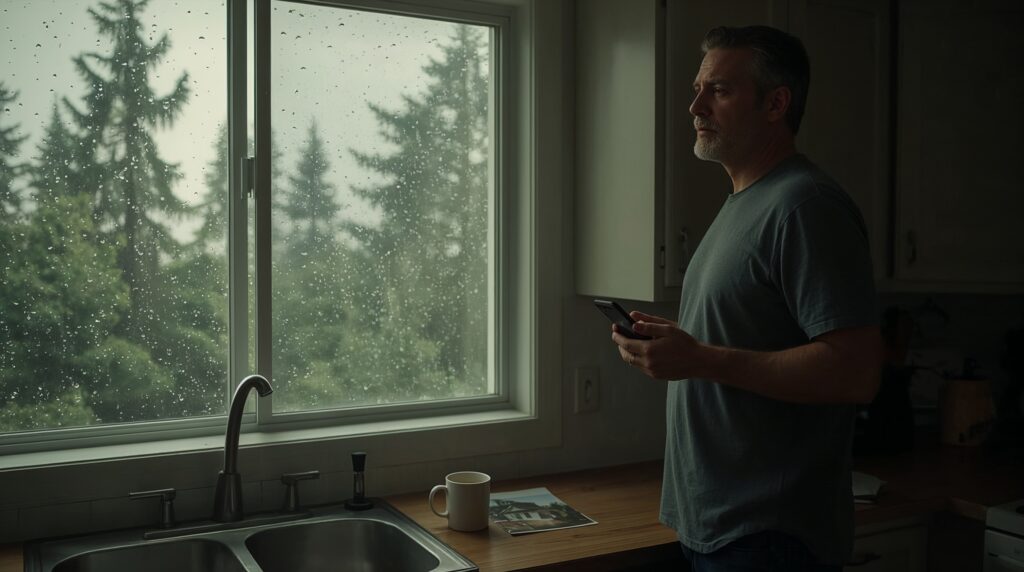
Out of state
You moved away. Your brother stayed. Now Mom’s gone.
Every question gets the same answer: “You weren’t here.” Most of this can be handled from where you live.
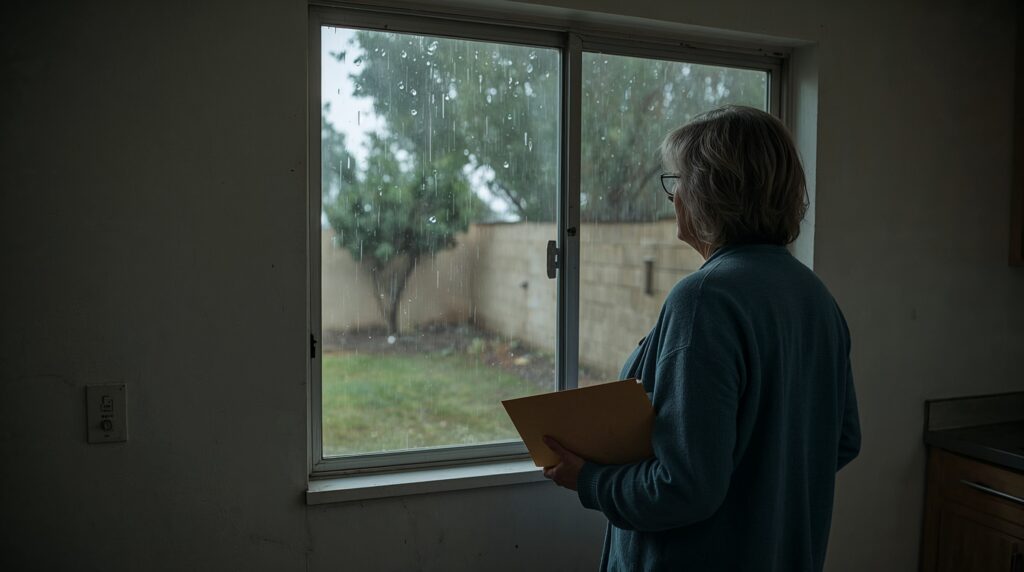
The clause
“If I challenge it, do I lose what she left me?”
The trust says anyone who contests it gets nothing. She has read that line forty times.
These are illustrations, not real clients. Every case is different.