Will & trust contests · Los Angeles
When the will or trust doesn’t sound like the parent you knew
Shut out of Mom’s trust? Not told what’s in the will?
Or you just need a parent’s estate settled. Start with probate, explained plainly →
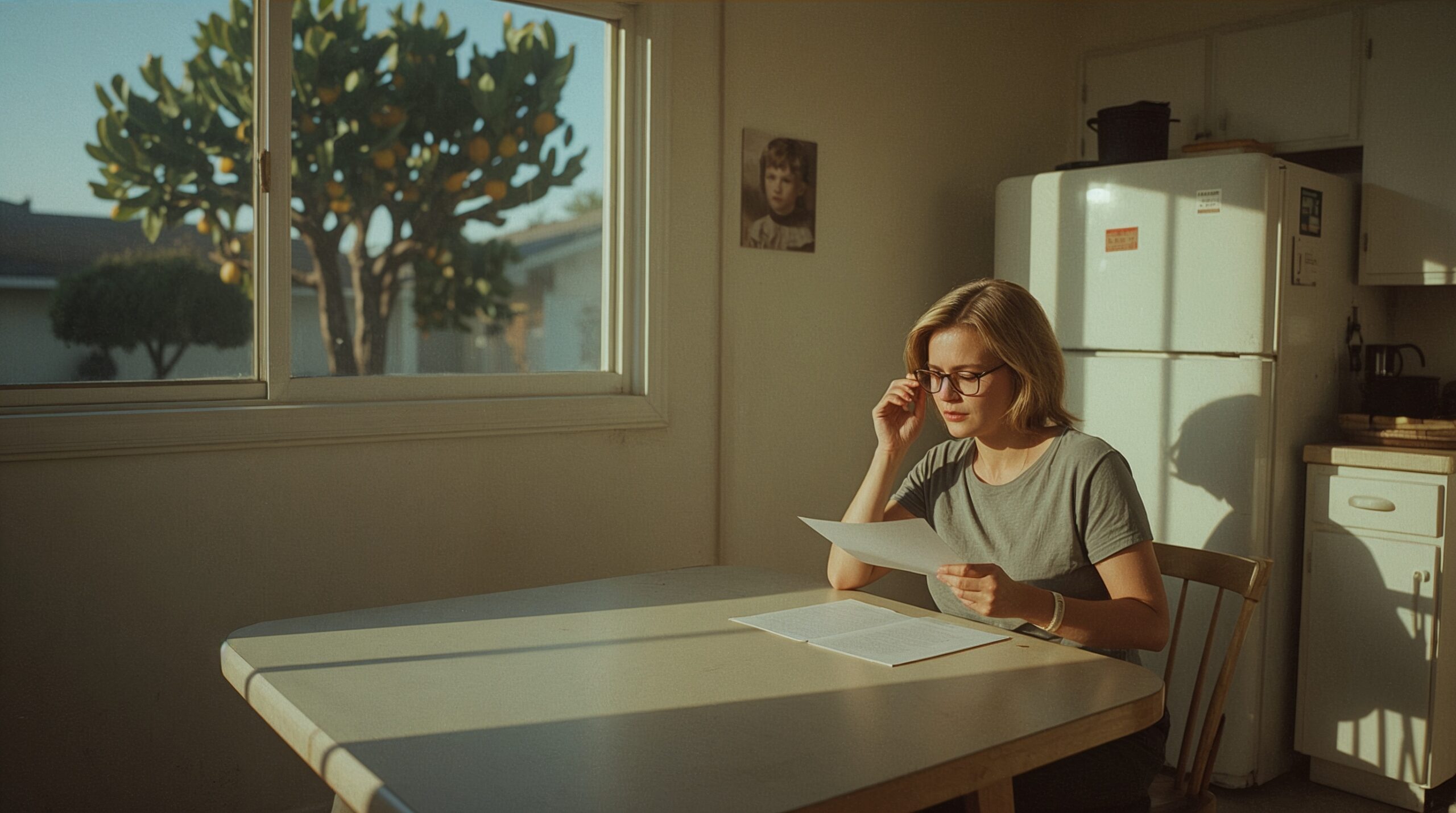
Illustration. Not a real client.
John J. Donahue fights for the son, the daughter and the caregiver who were written out at the end. Probate, will contests and trust contests in Los Angeles, with contingency fees for qualifying cases.
Maybe a brother or sister has taken over, and you’re told nothing.
Maybe Mom or Dad was steered into a change near the end.
Maybe the trustee hasn’t sent you a single statement.
Each of those is a story John hears every week. If there’s a case, John will tell you so. If there isn’t, he’ll tell you why. Read the stories →
Something changed at the end
It usually starts with a document nobody expected. A trust amended eight weeks before the funeral. A will that leaves the house to the one brother who never left it. A signature on a paper that Mom, by then, could not have read.
You knew your parent. You know what they said at the kitchen table for thirty years, and you know this isn’t it. What you may not know is whether the law lets you say so, how long you have to say it, and whether you can afford to try.
Was this really what Mom or Dad wanted, or did somebody get to them?
That is the work John Donahue does. He is a Los Angeles probate litigator, in the Stanley Mosk Courthouse downtown nearly every day, and his practice is built around one question families bring him: was this really what Mom or Dad wanted, or did somebody get to them?
Stories John hears every week
The house in Mom’s name
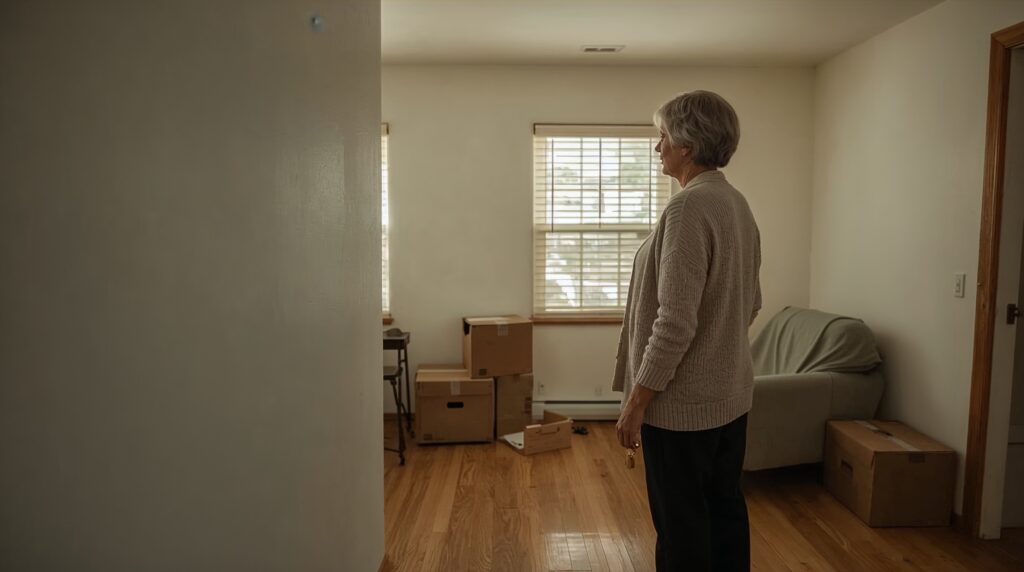
“Mom kept it simple. Now nobody can sell the house.”
No trust, no fight, just a house in Mom’s name. And nothing moves without the court.
Cut out at the end
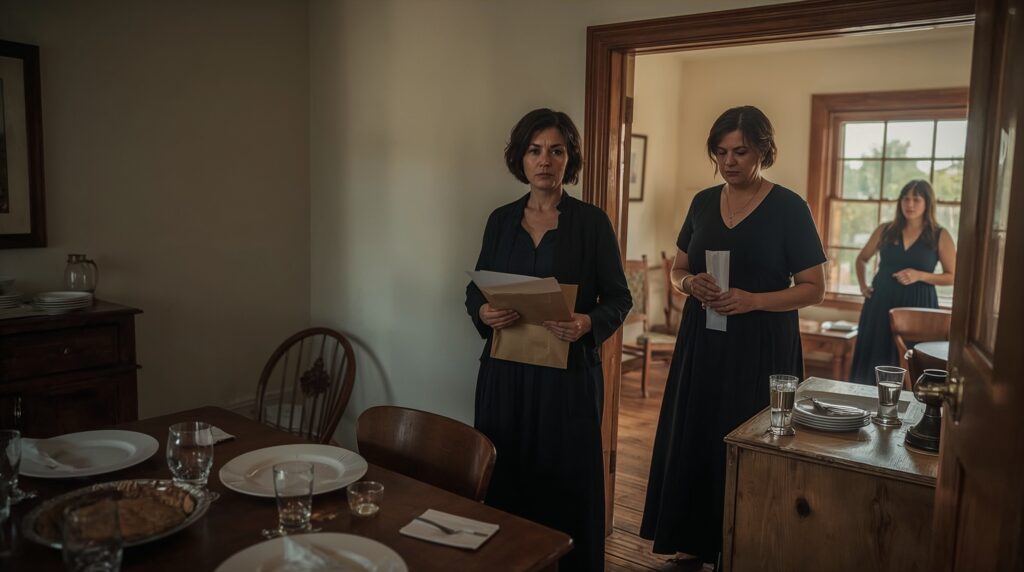
“They always said it would be split three ways.”
Mom and Dad always said everything would be split evenly. The trust that surfaced after the funeral says otherwise.
The house
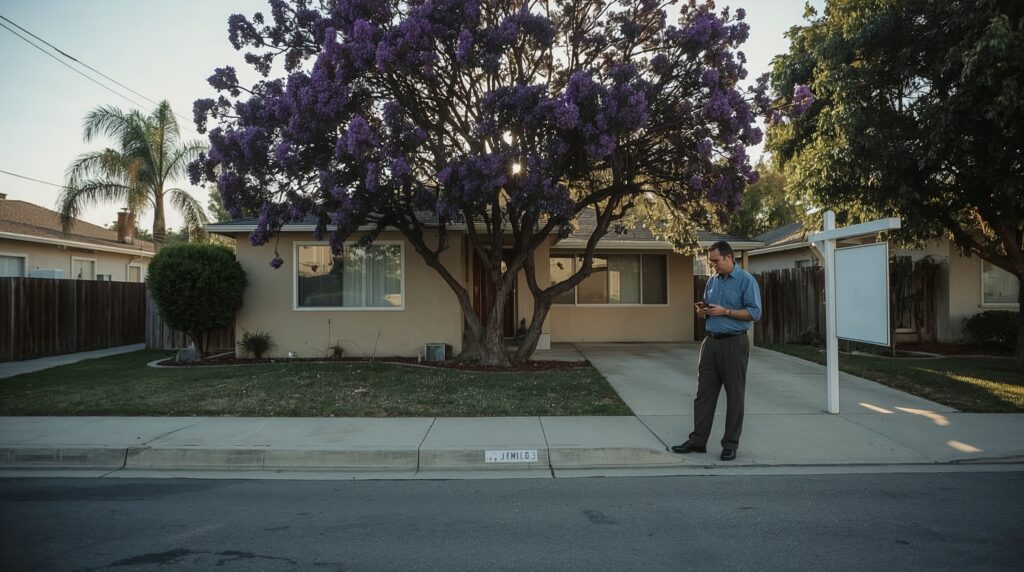
The “For Sale” sign went up before anyone called you.
The house went on the market before anyone asked you.
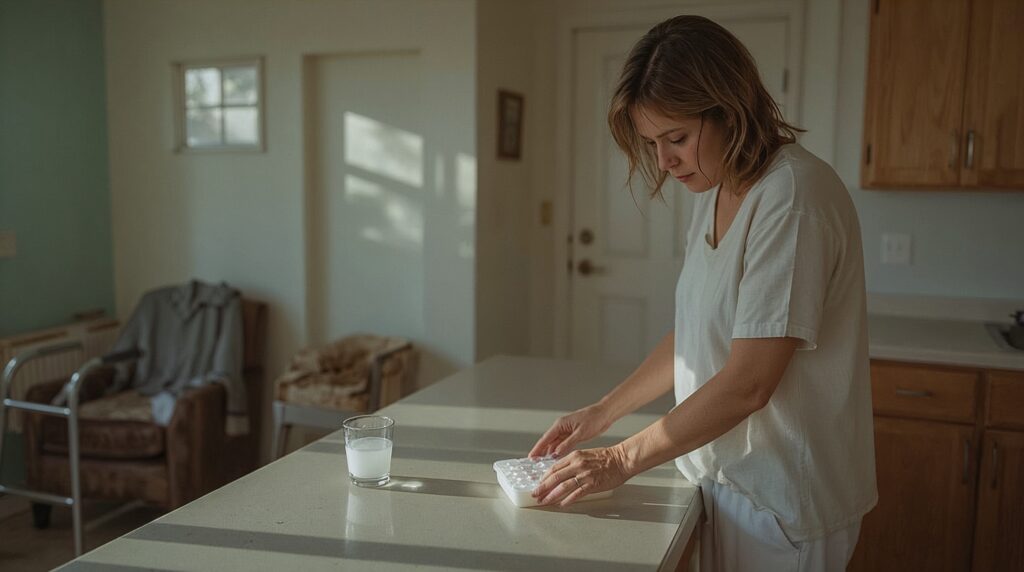
The caregiver
You were the one who stayed.
Six years of caregiving, and a new will signed the one week your brother visited.
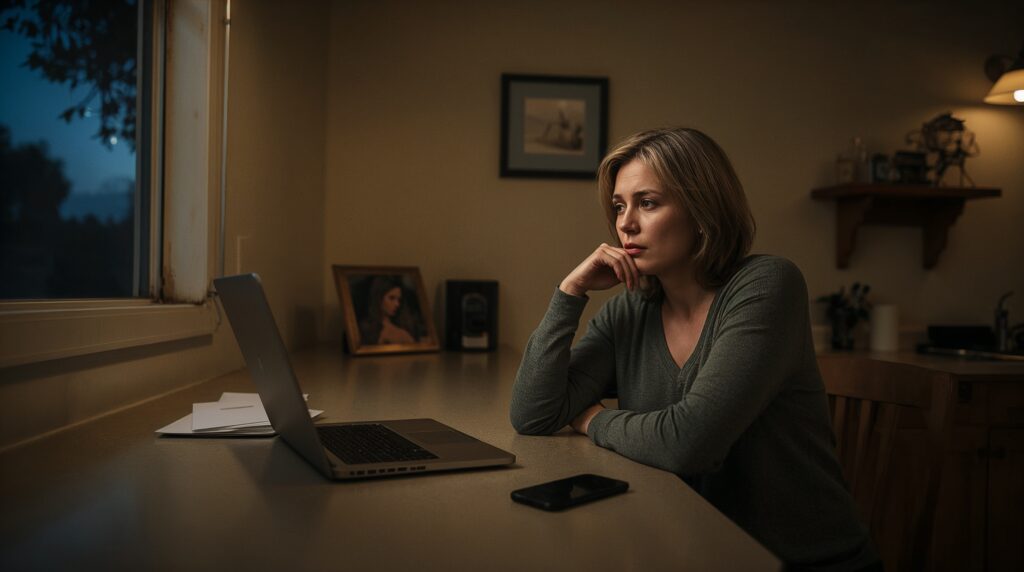
The trustee
Your sister is the trustee. You haven’t seen a single statement.
Two years later, one phone call and a copy of the death certificate.
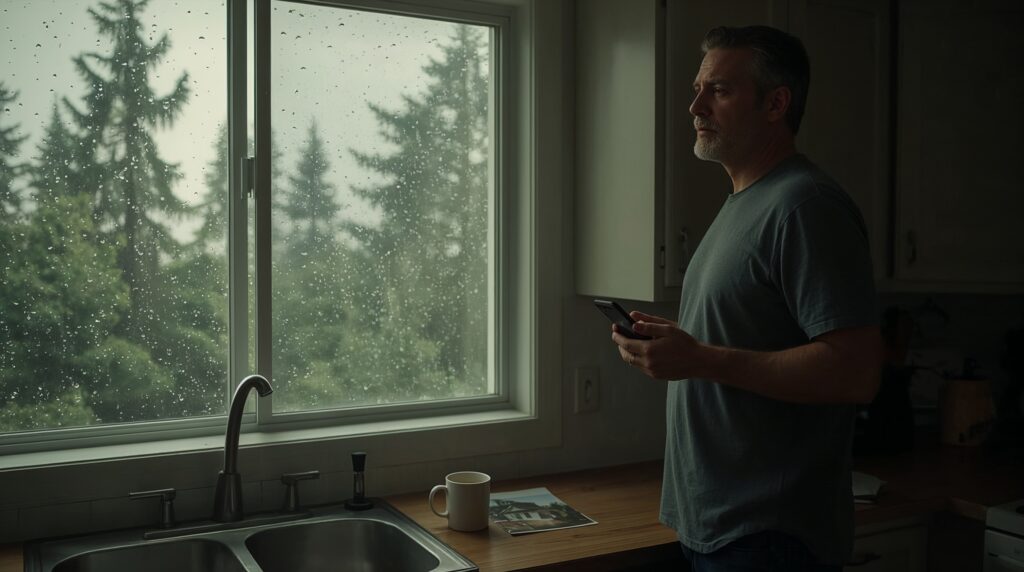
Out of state
You moved away. Your brother stayed. Now Mom’s gone.
Every question gets the same answer: “You weren’t here.” Most of this can be handled from where you live.
These stories are real. They came to John’s office by phone and by email, and we have heard them many times over. We don’t name the people involved, and the pictures are illustrations. Every case is different.
What John fights for
Will contests. A will can be thrown out when the person who signed it lacked the capacity to understand it, when someone close used their trust to steer the pen, when the signing wasn’t done the way California requires, or when a later document simply isn’t genuine. Read about will contests →
Trust contests. Most Los Angeles families with a house hold it in a living trust, so most inheritance fights today are trust fights. The deadline can be short, and it often starts running the day a trustee’s notice arrives in your mailbox. Read about trust contests →
Probate litigation. Some fights aren’t about the document at all. A brother serving as executor sells the house to his friend. A trustee stops answering, stops accounting and starts spending. John brings these to the probate court and asks the judge to step in. Read about probate litigation →
Probate administration. When there is no fight, there is still a court process, and it still has deadlines. John walks families through it so the estate gets settled and the house gets sold or kept, the way the law and the parent intended. Read about probate administration →
Paid when you are
Most people who call John have just lost a parent. They are not sitting on a litigation budget, and the person who controls the estate often is. That imbalance is how a lot of unfair documents survive.
No hourly fee up front.
A percentage set in writing before any work begins.
If there is no recovery, there is no fee.
Not every case qualifies, and John will tell you plainly whether yours does. How contingency works →
Illustration.
The trustee’s notice
120 days to contest the trust, counted from the day the trustee’s notice is served, not the day you read it.
Or 60 days after a copy of the trust is delivered to you during that time, whichever is later. Write down the date it arrived.
Why time matters
Inheritance cases have deadlines that don’t care whether you’re still grieving. In California a trust contest can be cut off as soon as 120 days after the trustee mails a formal notice, and sometimes sooner once a copy of the trust is delivered. A will contest after the will is admitted to probate has its own 120-day window. Miss it, and the strongest case in the world may never be heard. If you’ve received a notice or a copy of a trust, look at the date on it, then call.
Two questions families ask first
What do I do after my loved one dies?
Before you sign anything, before you agree to “just let your brother handle it,” find the documents. Request a copy of the will and any trust. Write down dates: the date of death, the date anyone received a notice, the date any amendment was signed. Keep every text and email. Then call. John’s free checklist walks you through the first thirty days. Get the checklist →
Do I have to go through probate?
Not always. Property held in a living trust usually passes without court. Small estates can sometimes use a simpler process. But if there’s a will and real property outside a trust, or if someone needs a court to stop what’s happening, probate is the door in. John can tell you in one conversation which door is yours. Read about probate →

About John
John J. Donahue has practiced law in California since 1990. His practice is probate and the fights that grow out of it: will contests, trust contests, and cases against executors and trustees who aren’t doing their job.
State Bar
No. 145817, admitted 1990
In court
The Stanley Mosk Courthouse probate departments, most days
The office
12121 Wilshire Boulevard, Suite 810
John J. Donahue is a California attorney (State Bar No. 145817) and the founder of John J. Donahue, A Professional Law Corporation. His office is at 12121 Wilshire Boulevard, Suite 810, in West Los Angeles, and most days you’ll find him a few miles east in the probate departments of the Stanley Mosk Courthouse. He answers his own phone more often than you’d expect. Meet John →