Probate · Torrance
Probate in Torrance
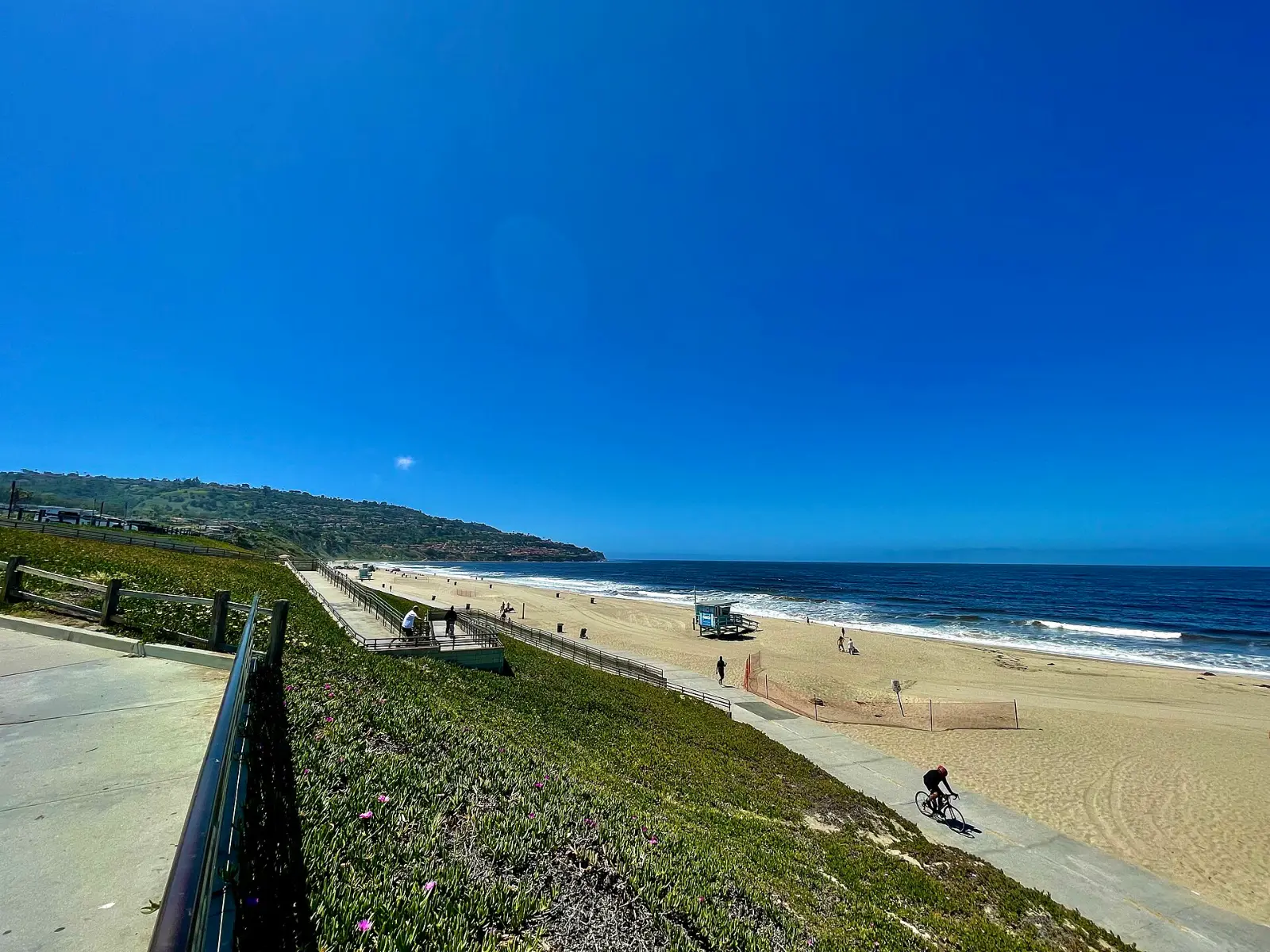
Torrance Beach from Miramar Park. Photo: Thurifer, CC BY-SA 4.0, via Wikimedia Commons
Many Torrance estates come down to one ranch house a parent bought in the 1950s or ’60s and never left. Today it is worth far more than California’s probate shortcuts allow. John J. Donahue handles Torrance probates across the South Bay.
Where a Torrance probate is filed
Torrance is its own city, but it is in Los Angeles County, so its estates go to the county’s Superior Court, Probate Division. Most hearings are at the Stanley Mosk Courthouse downtown, and many can be attended remotely, which matters to South Bay families who would rather not spend a morning on the 110. Torrance has its own courthouse, but probate cases are generally heard downtown.
The ranch house and the child who moved back
- Values. A Torrance house bought for $25,000 is now usually worth well over $750,000, the ceiling for the shorter primary-home petition. Without a trust, it is a probate.
- A child already living there. In many Torrance families one adult child moved back in to help. Whether that child stays, pays rent, buys out the others or moves out is often the first question the estate has to answer.
- The fee scales with the value. On a $1.1 million estate the basic statutory attorney fee is $24,000, approved by the court and paid from the estate at the end.
- Pensions and survivor benefits. Retirees from the South Bay’s refinery, aerospace and auto employers often left pensions, annuities and life insurance with their own beneficiary forms, which pass outside the will. Read a story like this →
From the calls John gets
The ranch house in West Torrance
A couple bought a three-bedroom ranch house in West Torrance in 1964. The father died first; the mother died at ninety-one with a will leaving the house to their three children. The youngest son had lived with her for eight years and wanted to keep it.
What John looks at: Whether a primary-home petition fits or a full probate is needed, what the son can pay the others, how a buyout can be financed, and whether he can keep Mom’s lower property tax base by making it his own home.
Illustration. Details changed; not a real client. Read a story like this →
Getting started
Find the original will and the trust binder, if there is one, and a copy of the deed. Keep the property insured and the tenant’s rent going to an account the family can document. Then call John; the first call is about what you have and what has arrived in the mail. The first 30 days, as a checklist →
Keeping a Torrance house in the family
Keeping the house is possible when one heir can buy out the others, often with a refinance once the court gives the executor authority. The price should come from an appraisal everyone accepts. Without that, a buyout between siblings can turn into the fight it was meant to avoid.
Property taxes are the other question. The rules for passing a parent’s lower tax base to a child changed in 2021, and they now generally apply only when the child makes the house their own home, and only up to a limit. Ask before deciding, because the answer changes the math.
In families’ own words
What Torrance families ask
Will a Torrance case be heard in Torrance?
Usually not. Los Angeles County hears nearly all of its probate cases at the Stanley Mosk Courthouse downtown, and many hearings can be attended remotely.
Can we sell with the tenant in place?
Often, yes. Many rental properties sell with tenants in place, rent-controlled units especially. The executor needs the court’s authority first.
Can the executor be paid?
Yes. California sets the executor’s fee the same way as the lawyer’s, and family executors often waive it to leave more for the heirs.
Stories from families like yours
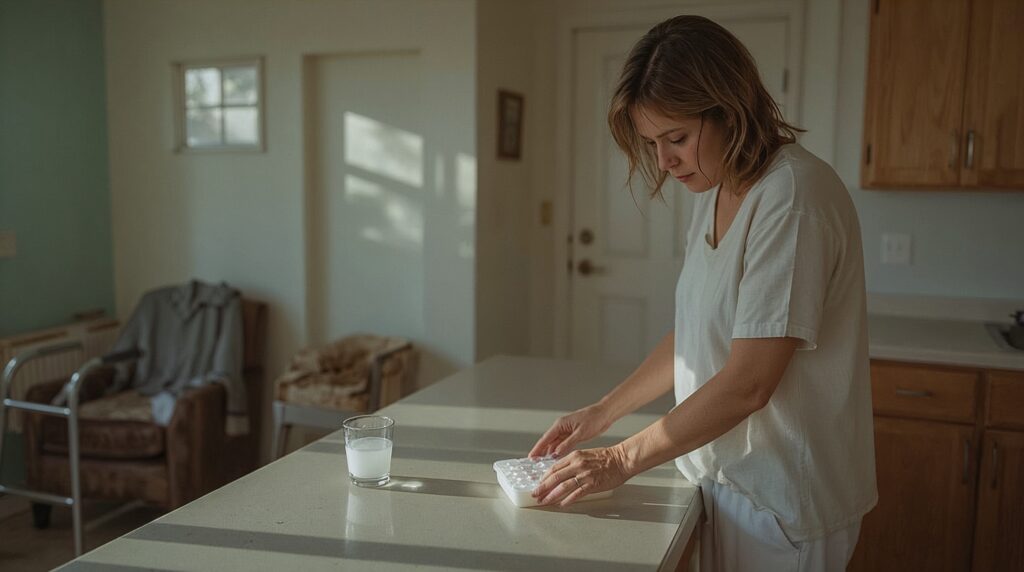
The caregiver
You were the one who stayed.
Six years of caregiving, and a new will signed the one week your brother visited.
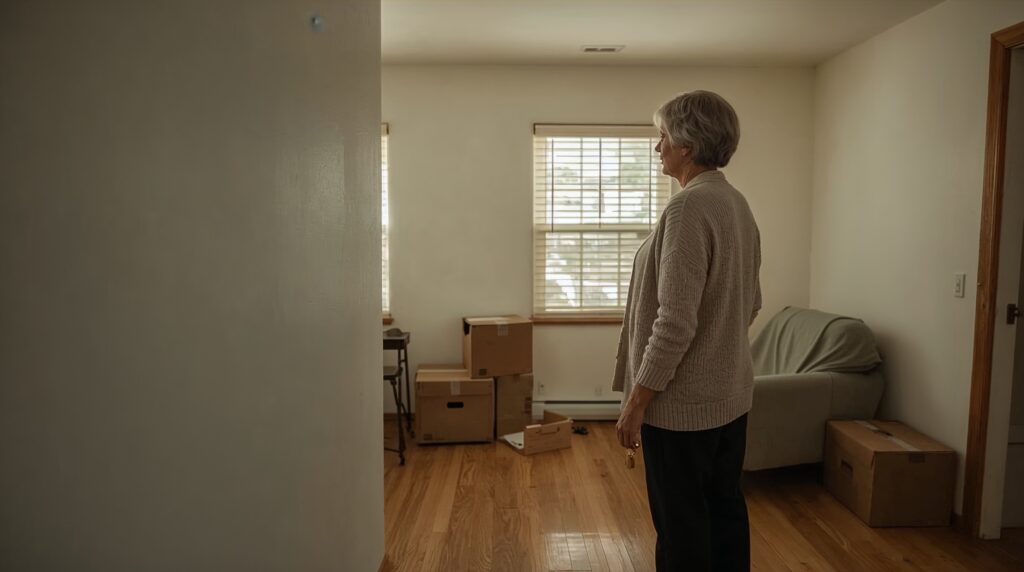
The house in Mom’s name
“Mom kept it simple. Now nobody can sell the house.”
No trust, no fight, just a house in Mom’s name. And nothing moves without the court.
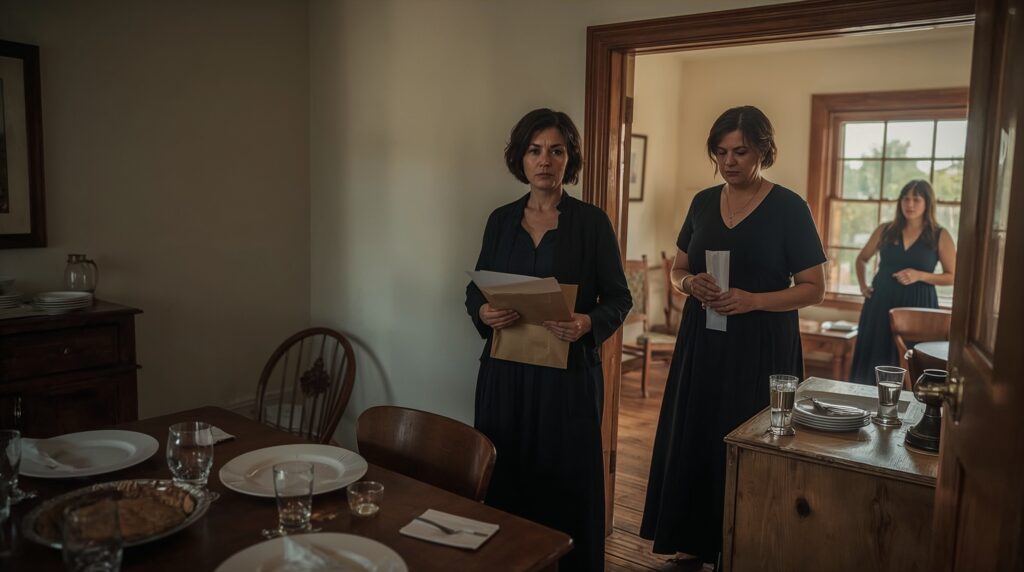
Cut out at the end
“They always said it would be split three ways.”
Mom and Dad always said everything would be split evenly. The trust that surfaced after the funeral says otherwise.
Elsewhere John works
Probate, explainedProbate litigationWill and trust contests in TorranceProbate in Los Angeles CountyProbate in Orange CountyProbate in Los AngelesProbate in Santa MonicaProbate in PasadenaProbate in Beverly HillsProbate in Long BeachProbate in GlendaleProbate in WhittierProbate in IrvineProbate in Huntington Beach