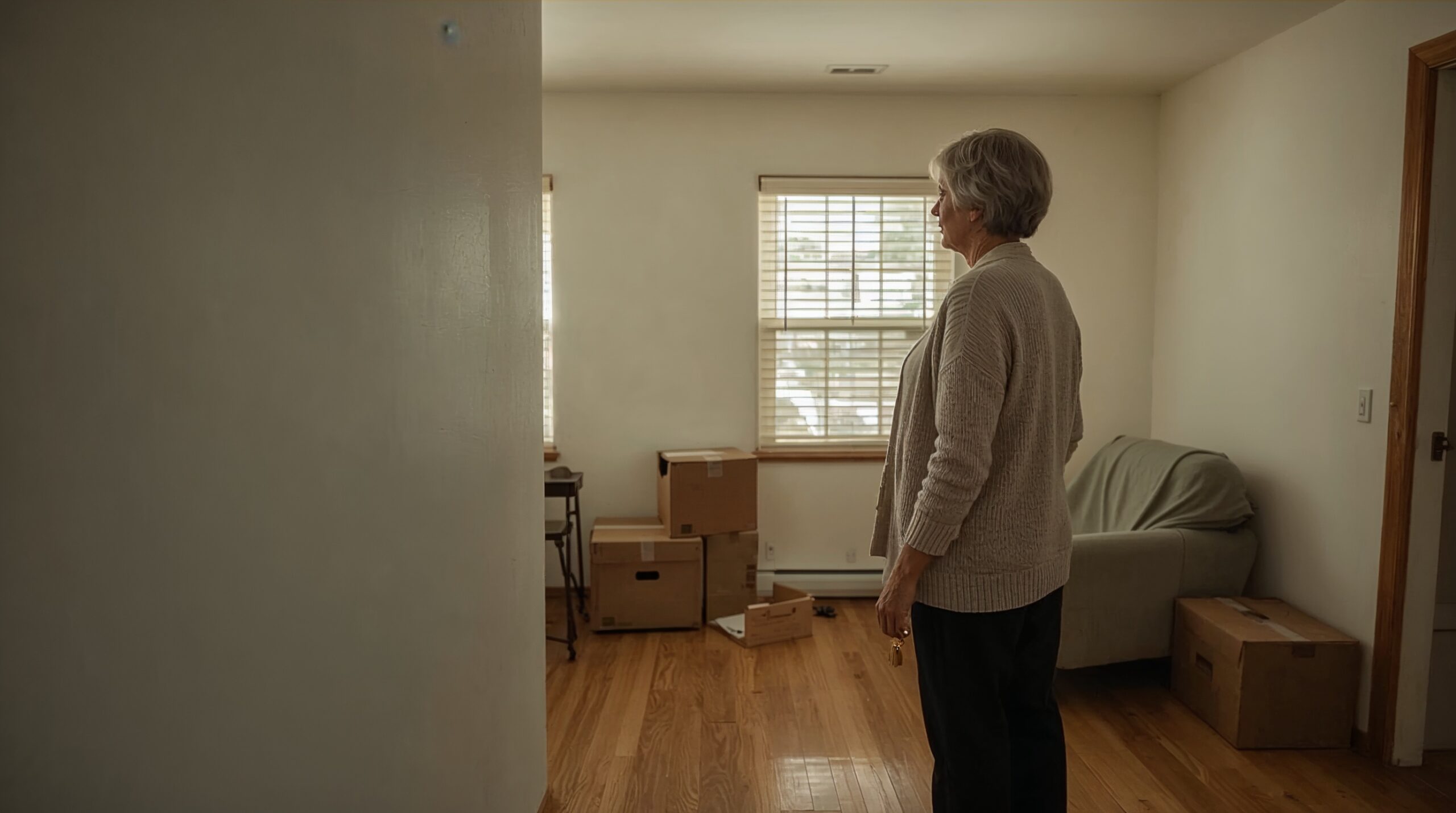
A story John hears every week
Mom kept it simple. Now nobody can sell the house.
Illustration. Not a real client.
Mom never wanted a trust. She said she didn’t have enough to need one: the little bungalow she bought in 1979, a checking account, and a car she stopped driving two years ago. Everything else, she said, would sort itself out.
It didn’t. The three of you agree on almost everything: sell the house, split it three ways, keep the dining table in the family. But the house is in Mom’s name alone, and the title company says nothing moves without a court order. Your brother in Phoenix hasn’t sent back the forms. The property tax bill came last week, and the roof is leaking over the back bedroom.
Nobody is fighting. Nobody is stealing. It’s just stuck.
What usually decides a case like this
Mostly paperwork and patience. When a house is in a parent’s name alone, California usually needs a probate, or a shorter court petition, before anyone can sell it. The court appoints someone to be in charge, often one of the children. Once that person is appointed, a sale can usually go forward without every sibling’s signature.
There are shortcuts for smaller estates: a simple affidavit when what’s left outside the house is worth $208,850 or less (for deaths on or after April 1, 2025), and a shorter petition for a modest primary home. Most Los Angeles houses are worth more than those limits, so a regular probate is usually the path. It is far more routine than families fear.
Questions families ask in this spot
My brother won’t sign anything. Are we stuck?
No. In a probate, the person the court appoints acts for the estate. Your brother gets notice and a chance to be heard, but he can’t hold everything up by staying silent.
Who pays the property taxes and the roof in the meantime?
Once someone is appointed, the estate usually does. Until then, families often cover what can’t wait and keep every receipt, so it can be sorted out from the estate later.
Will the lawyer’s fee eat the house?
In a California probate, the lawyer’s basic fee is set by law as a percentage of the estate and is paid from the estate at the end, with the court’s approval. Ask about it on the first call. John will walk through what it means for your house.
What you can do
- Find Mom’s original will, if there is one. Whoever has it must deliver it to the court within 30 days after learning of the death.
- Order several certified copies of the death certificate.
- Keep the house insured, locked and paid up, and keep every receipt.
- Write down what Mom owned and how each thing was held: in her name alone, jointly, or with a named beneficiary.
- Call John before anyone signs a listing agreement.
More stories John hears

Cut out at the end
“They always said it would be split three ways.”
Mom and Dad always said everything would be split evenly. The trust that surfaced after the funeral says otherwise.
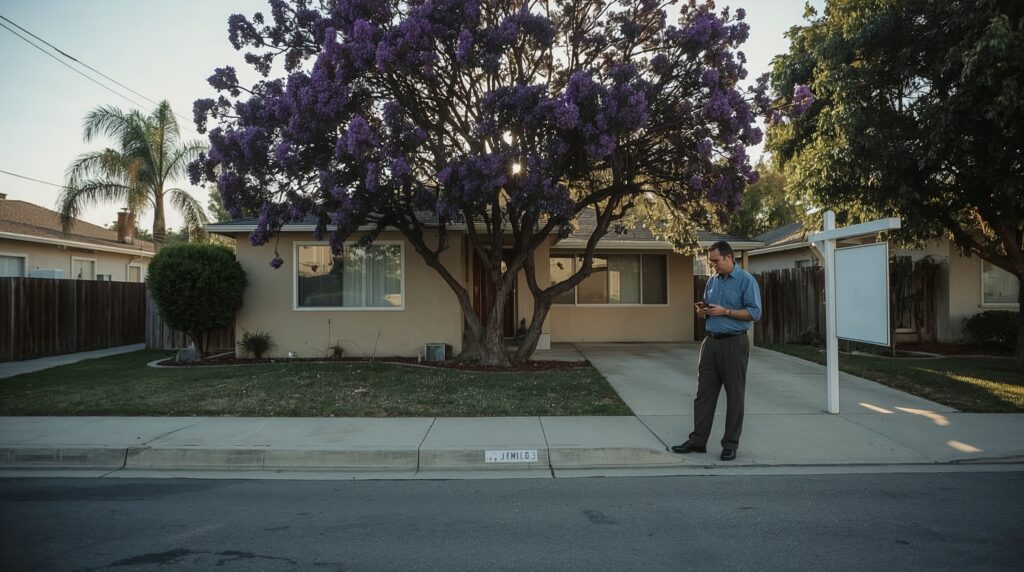
The house
The “For Sale” sign went up before anyone called you.
The house went on the market before anyone asked you.
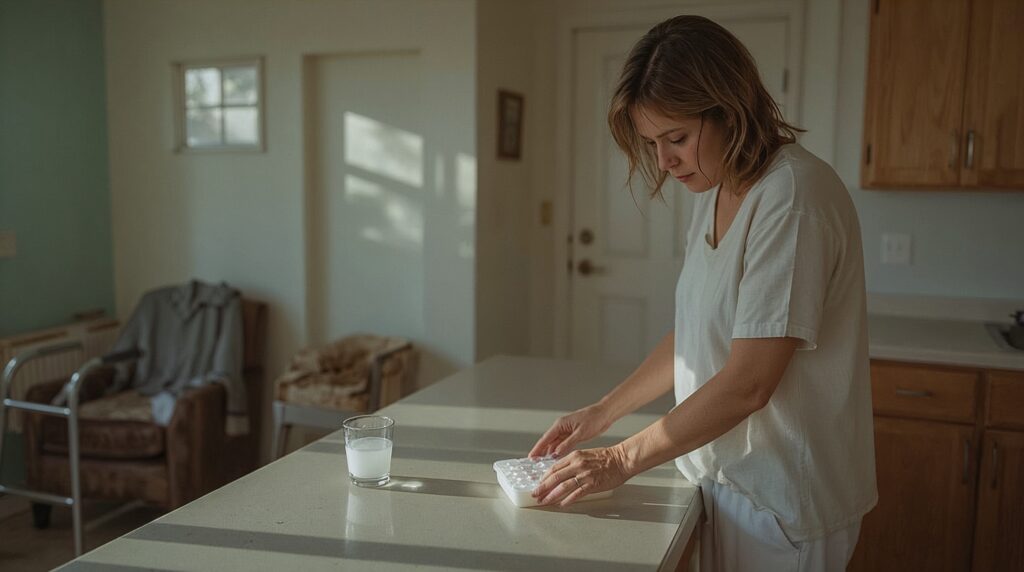
The caregiver
You were the one who stayed.
Six years of caregiving, and a new will signed the one week your brother visited.