Probate · City of Los Angeles
Probate in Los Angeles
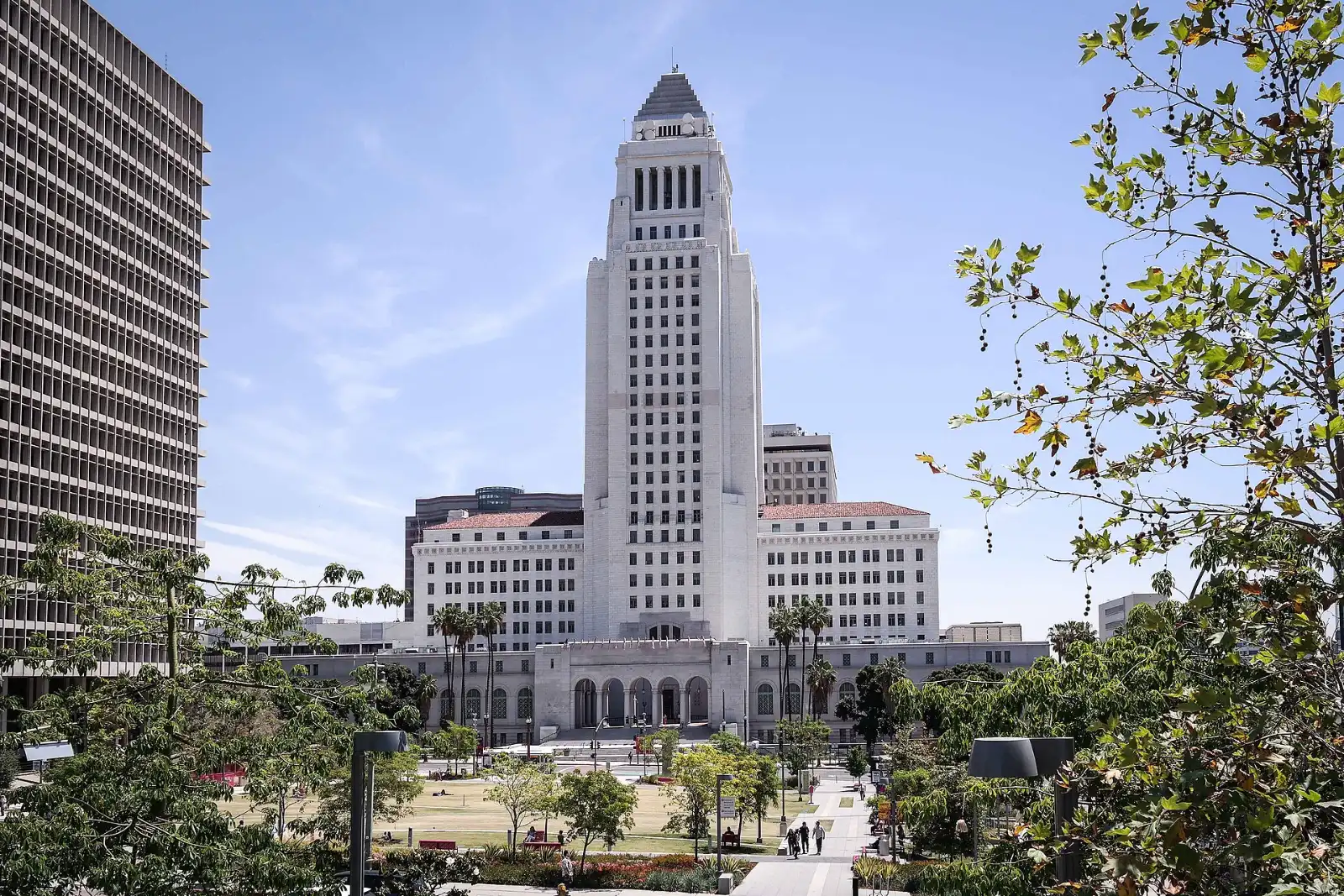
Los Angeles City Hall, a short walk from the probate departments at the Stanley Mosk Courthouse. Photo: Visitor7, CC BY-SA 3.0, via Wikimedia Commons.
From Boyle Heights to Brentwood, a parent’s house in the city of Los Angeles usually can’t be sold without a probate. John J. Donahue handles them from his office on Wilshire Boulevard and in the courthouse downtown.
The city’s estates are the county’s cases
There is no separate probate court for the city of Los Angeles. A city estate is filed with the Los Angeles County Superior Court, and most are heard at the Stanley Mosk Courthouse on North Hill Street, a short walk from City Hall. John is in those departments most days.
What a Los Angeles estate usually looks like
In the city, the estate is often a house bought decades ago, or a duplex or small apartment building with tenants who have been there for years. Each one changes how a probate runs.
- A family house: almost always worth more than California’s shortcut limits, so a probate unless it was in a trust.
- A building with tenants: the executor collects the rent, keeps the building insured and repaired, and answers to everyone in the family. Many older Los Angeles rental buildings fall under the city’s rent stabilization rules, which shape what can be done with the units.
- A house someone still lives in: often a sibling or a grandchild. The executor has to decide, fairly, whether they stay, pay rent or move before a sale.
From the calls John gets
The fourplex in Highland Park
Grandpa bought a fourplex in 1968 and lived in one unit until the end. Three tenants, rents far below market, a will leaving everything to five grandchildren, and nobody who knows how to run a building.
What John looks at: Who should serve as executor, how the rents are collected and accounted for during the case, and whether the family wants to sell or keep the building, before anyone talks to a buyer.
Illustration. Details changed; not a real client. Read a story like this →
What it costs
The lawyer’s basic fee in a California probate is set by law and approved by the court: 4% of the first $100,000 of the estate, 3% of the next $100,000 and 2% of the next $800,000, with 1% above that. It is paid from the estate at the end. On a $900,000 house in Los Angeles, the basic fee is $21,000.
Getting started
- Find the original will, if there is one. Whoever has it must deliver it to the court within 30 days after learning of the death.
- Order several certified copies of the death certificate.
- Keep the house or building insured, locked and its utilities on.
- Call John. Once the documents are in hand, a petition can usually be filed quickly.
When a family member is living in the house
In Los Angeles it is common for an adult child, a grandchild or a longtime partner to be living in the house when the owner dies. Nobody wants to put family on the street, and nobody wants the probate to stall for a year while one heir lives there and the others wait.
The executor has to treat everyone fairly. That usually means a written plan: a fair rent or a move-out date, who pays the utilities and the insurance, and when the house will be listed. If the person living there wants to keep it, a buyout from the other heirs is often possible. If the family can’t agree, the court can decide. Read a story like this →
In families’ own words
What families in Los Angeles ask
Mom’s house is in the Valley. Is that still Los Angeles?
Much of the San Fernando Valley is in the city of Los Angeles, and either way the estate goes to the county’s probate court.
There’s a reverse mortgage on the house.
The lender will expect to be paid, usually from a sale, and will set deadlines. A probate is often how the family gets the authority to sell in time.
Can we keep the house in the family?
Yes, if the heirs agree on how. One child can buy out the others, or the house can go to all of them together. Property tax rules for keeping a parent’s house changed in 2021, so ask before deciding.
Do we need to be in Los Angeles?
No. Families living elsewhere handle most of it by phone and email, and many hearings can be attended remotely.
What if there’s no will?
California law decides who inherits, usually the spouse and children. The court still appoints someone to be in charge, often one of the children.
Stories from families like yours
The house in Mom’s name
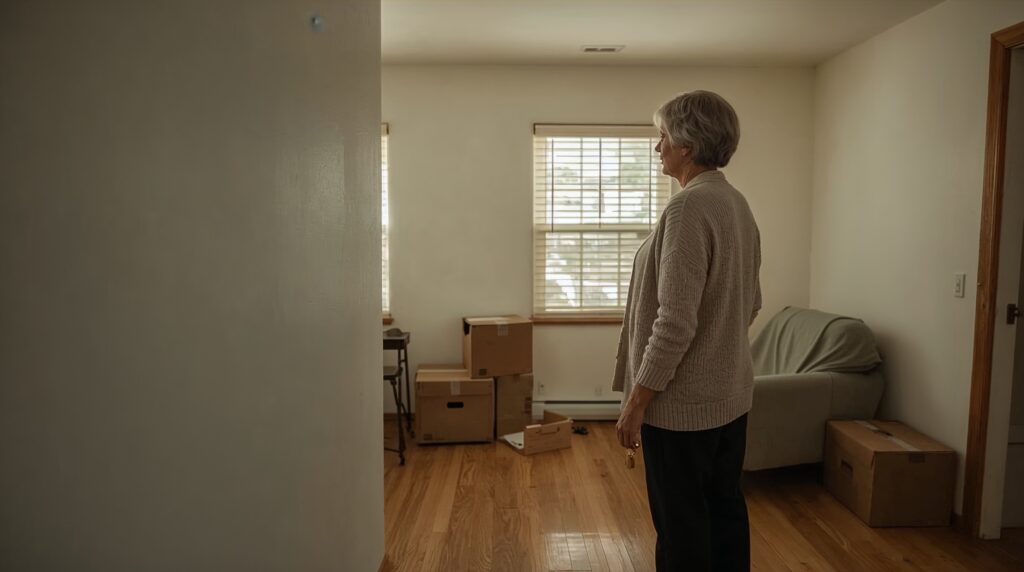
“Mom kept it simple. Now nobody can sell the house.”
No trust, no fight, just a house in Mom’s name. And nothing moves without the court.

Out of state
You moved away. Your brother stayed. Now Mom’s gone.
Every question gets the same answer: “You weren’t here.” Most of this can be handled from where you live.
Cut out at the end
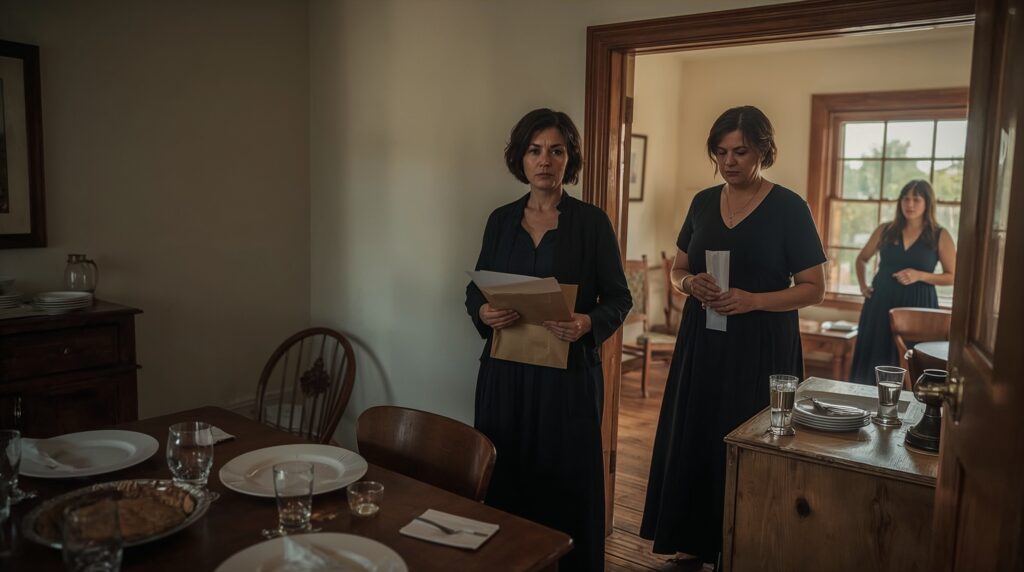
“They always said it would be split three ways.”
Mom and Dad always said everything would be split evenly. The trust that surfaced after the funeral says otherwise.
Elsewhere John works
Probate, explainedProbate litigationWill and trust contests in Los AngelesProbate in Los Angeles CountyProbate in Orange CountyProbate in Santa MonicaProbate in PasadenaProbate in Beverly HillsProbate in Long BeachProbate in GlendaleProbate in TorranceProbate in WhittierProbate in IrvineProbate in Huntington Beach