
Will & trust contests · Glendale
Will and trust contests in Glendale
Glendale below the Verdugo Mountains. Photo: public domain, via Wikimedia Commons
In Glendale, a trust may hold the family house, a rental and part of the family business. When one sibling controls all of it and stops answering questions, John J. Donahue steps in for the others.
Why the stakes run high here
Glendale trusts often hold property and business interests that one family member runs every day. That person may become trustee, collect the rent and keep the business, and the others can wait years for an accounting that never arrives. Many Glendale cases are less about whether the trust is valid than about how it is being run.
Common patterns in Glendale cases
The new companion. A widowed parent’s partner of a few years becomes trustee, or gets the house. Read a story like this →
The trustee who lives in the house. A sibling stays in a parent’s home as trustee, pays nothing and has no plan to sell or account. Read a story like this →
The changed beneficiary. Retirement accounts and insurance that bypass the trust entirely. Read a story like this →
The clause. A no-contest clause meant to keep a child from asking questions. Read a story like this →
Where it’s heard
Glendale cases are filed with the Los Angeles County court’s Probate Division. Hearings are mostly downtown at the Stanley Mosk Courthouse, mediation is common, and long trials can be sent to a separate trial department.
From the calls John gets
The trustee who runs the building
Mom’s trust named her eldest son trustee. It held the house and a twelve-unit building on Glenoaks. Three years later he still lived in the house, managed the building, and had sent his sisters nothing but a holiday card.
What John looks at: The trust’s instructions, three years of rent rolls and bank records, whether a formal accounting was ever served, and whether the court should order one, surcharge the trustee, or remove him.
Illustration. Details changed; not a real client. Read a story like this →
Every name for these cases
In court papers you will see them called trust contests, will contests, petitions to invalidate an amendment, petitions to remove a trustee, petitions to compel an accounting, or claims of undue influence and financial elder abuse. To a family it is simpler: Dad’s plan changed, and someone close to him gained.
Before you confront anyone
The instinct is to call the companion, the sibling or the trustee and demand an explanation. Hold that call. A heated conversation rarely produces documents, and it can prompt someone to move money, sell belongings or hire a lawyer before you have seen anything.
Quieter steps work better: a written request for the trust and every amendment, a list of what you know was in the house, copies of anything you already have, and the date on every notice. If there is a life estate or a pending sale, time matters more than usual. Then call John, and let the first contact the other side gets be a careful one.
In families’ own words
What Glendale families ask
Can we make the trustee show us the books?
Yes. Beneficiaries are entitled to an accounting, and if the trustee refuses a written request, the court can order one.
Do we need to prove Dad was incompetent?
No. Undue influence can be proven even when a parent understood what they signed, if someone used their trust or dependence to change the plan.
Do you work on contingency here?
For qualifying cases, yes, anywhere in California. How contingency works →
Stories from families like yours

The trustee
Your sister is the trustee. You haven’t seen a single statement.
Two years later, one phone call and a copy of the death certificate.

The second wife
“Dad’s wife got everything. Her kids get it next.”
For years the plan included his children. In his last two years, it changed to everything to her.
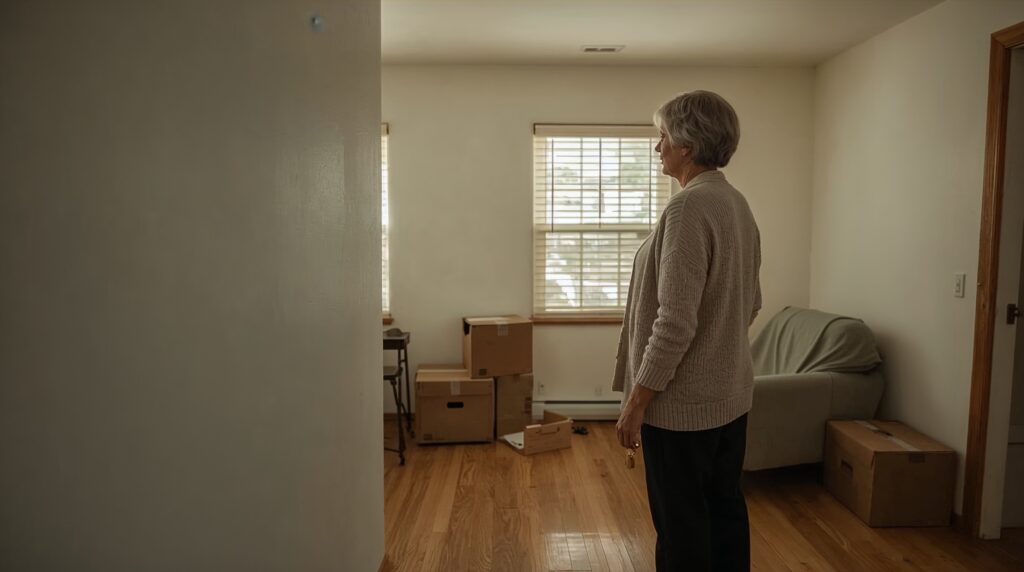
The house in Mom’s name
“Mom kept it simple. Now nobody can sell the house.”
No trust, no fight, just a house in Mom’s name. And nothing moves without the court.
Elsewhere John works
Will contestsTrust contestsProbate in GlendaleContests in Los Angeles CountyContests in Orange CountyContests in Los AngelesContests in Santa MonicaContests in PasadenaContests in Beverly HillsContests in Long BeachContests in TorranceContests in WhittierContests in IrvineContests in Huntington Beach