
Probate · Orange County
Probate in Orange County
The Old Orange County Courthouse in Santa Ana. Today the county’s probate courtrooms are at the Costa Mesa Justice Complex. Photo: Adrián Cerón, CC BY-SA 4.0, via Wikimedia Commons.
When a parent dies in Orange County with a house in their own name, the court’s permission comes first. John J. Donahue opens and runs Orange County probates from his office in West Los Angeles.
Where an Orange County probate happens
The Orange County Superior Court’s probate clerk’s office and courtrooms are at the Costa Mesa Justice Complex, 3390 Harbor Boulevard in Costa Mesa. Older guides still send people to Santa Ana or to the Lamoreaux Justice Center in Orange. The court has moved probate more than once, so the hearing notice is the thing to trust.
Petitions are filed electronically, and many hearings can be attended remotely, so a family in Irvine, in Fullerton or in another state rarely needs to make the drive. When an appearance in person matters, John is there.
Why Orange County estates usually need probate
Orange County homes are worth well past California’s shortcut limits. From Anaheim to San Clemente, a house in a parent’s name alone nearly always means a probate unless it was in a trust. The shortcuts still matter for what’s left outside the house:
- Personal property worth $208,850 or less: often collected with an affidavit (for deaths on or after April 1, 2025).
- A primary home worth up to $750,000: a shorter petition, though few Orange County homes qualify.
- A house that was meant for the trust but never deeded into it: often fixable with a short petition. Read the story →
- Joint accounts and accounts with a named beneficiary: usually pass outside probate.
A common Orange County probate
The parents bought in the 1960s or ’70s, in Garden Grove, Costa Mesa, Orange or Huntington Beach, and never moved. The house is the estate. The children live in Riverside, in Texas, in Seattle. Nobody is fighting. They need one person appointed and a plan to sell, rent or keep the house.
From the calls John gets
The house in Garden Grove
A brother in Phoenix and a sister in Long Beach. Their parents bought the Garden Grove house in 1971, and it stayed in Dad’s name after Mom died. No trust, a one-page will, and a property tax bill due in December.
What John looks at: Whether the will names an executor, how Mom’s half passed to Dad when she died and whether that was ever cleared on the title, and whether the family wants to sell or keep the house.
Illustration. Details changed; not a real client. Read a story like this →
What it costs
The statutory fee is the same in every California county: 4% of the first $100,000, 3% of the next $100,000, 2% of the next $800,000 and 1% above that, up to $10 million, approved by the court and paid from the estate at the end. On a $1 million Orange County house, the lawyer’s basic fee is $23,000.
How long it takes
Usually about a year, sometimes less when the house sells quickly and the paperwork is clean. Creditors have four months after the executor is appointed, so nothing can close before that.
When one parent died years earlier
Many Orange County estates have a second layer. Mom died ten years ago, the house went to Dad, and nobody ever recorded anything. Now Dad has died too. Before the house can be sold, the family may need to clear Mom’s share first, often with a short court petition confirming what passed to Dad. It is paperwork, not a fight, but a title company won’t close escrow without it.
The same thing happens with accounts left in Mom’s name, cars never transferred, and trusts that were never updated after the first death. John sorts the layers out at the start, so the sale isn’t held up at the end.
In families’ own words
What Orange County families ask
Is it a problem that John’s office is in Los Angeles?
No. He is licensed throughout California, filing is electronic, and most of a probate is handled by phone, email and remote hearings.
Dad’s house is in a trust, but his car and bank account aren’t.
Then the house likely needs no probate. The car can often be transferred with the DMV’s own form, and a smaller account with an affidavit.
Can we rent the house out during probate?
Often, yes, with the executor in charge of the lease and the rent going to the estate.
What about the property taxes?
They still come due. Once someone is appointed, the estate pays them; until then, keep receipts for anything a family member covers. Whether a child can keep a parent’s lower tax base depends on rules that changed in 2021, so ask before deciding to keep the house.
My brother won’t cooperate.
He gets notice and can object, but he can’t stop a probate by staying quiet.
Stories from families like yours
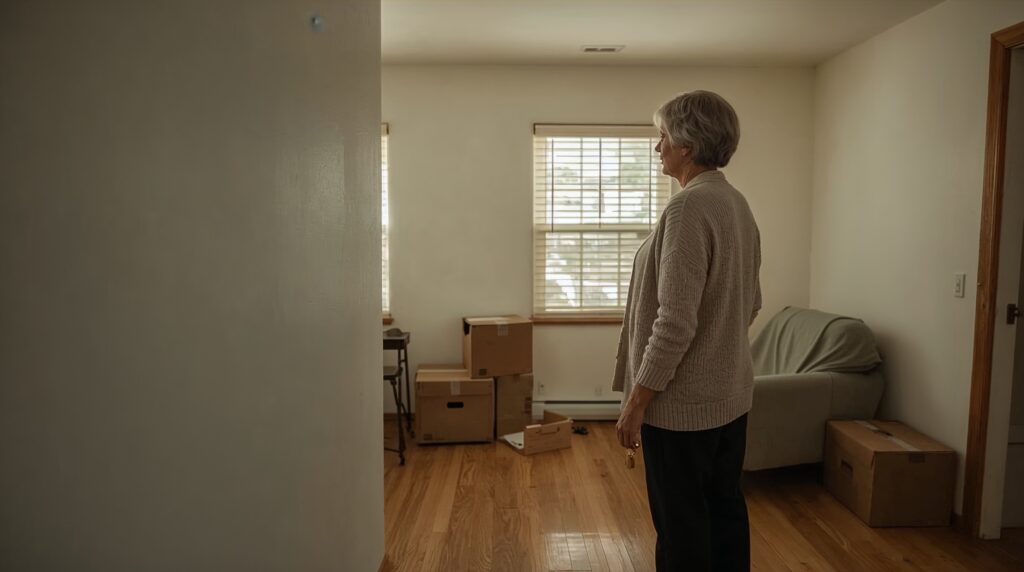
The house in Mom’s name
“Mom kept it simple. Now nobody can sell the house.”
No trust, no fight, just a house in Mom’s name. And nothing moves without the court.

Out of state
You moved away. Your brother stayed. Now Mom’s gone.
Every question gets the same answer: “You weren’t here.” Most of this can be handled from where you live.

Cut out at the end
“They always said it would be split three ways.”
Mom and Dad always said everything would be split evenly. The trust that surfaced after the funeral says otherwise.
Elsewhere John works
Probate, explainedProbate litigationWill and trust contests in Orange CountyProbate in Los Angeles CountyProbate in Los AngelesProbate in Santa MonicaProbate in PasadenaProbate in Beverly HillsProbate in Long BeachProbate in GlendaleProbate in TorranceProbate in WhittierProbate in IrvineProbate in Huntington Beach