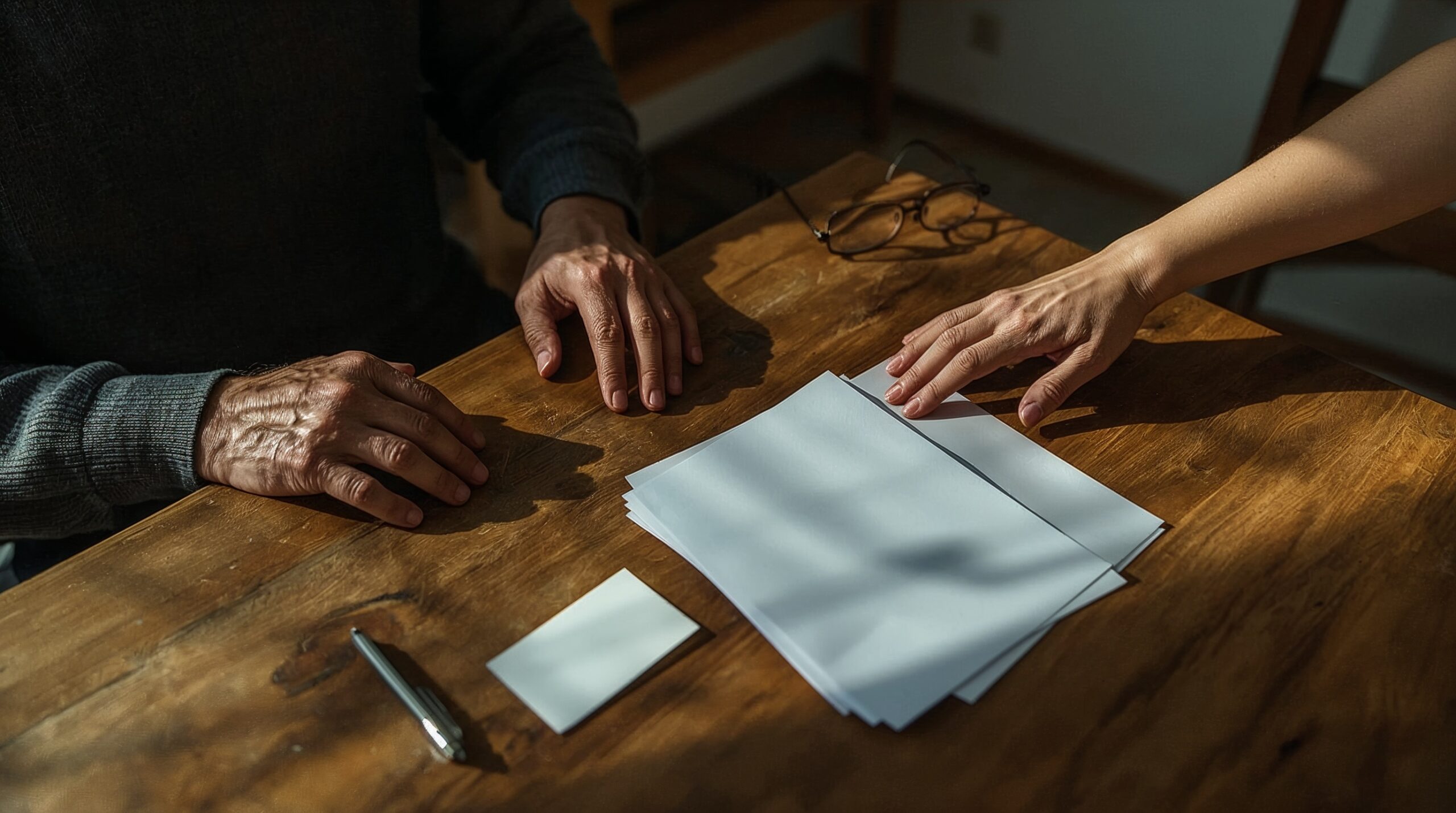
A story John hears every week
The diagnosis and the signature, the same month.
Illustration. Not a real client.
Dad’s chart says “moderate dementia” in a note from his neurologist dated October. The trust amendment that changed who gets his condo, and who’s in charge of it, is dated October too.
The new trustee is Dad’s companion of three years. She says he was sharp that day, that he knew exactly what he wanted. Maybe he did. But you remember October: the stove left on, the car keys taken away, the call from the bank about a check written twice.
What usually decides a case like this
What he could understand in October, not the diagnosis itself. People with dementia have good days, and a signature made on a good day can stand. The medical notes and the everyday signs from that month, taken together, show what October was really like.
The other half is the companion’s part in it. If she found the lawyer, was in the room, or gains the most, the court will look closely at why the change came when it did.
Questions families ask in this spot
She says he was sharp that day.
She may be right, and the court will hear her. It will also hear from the doctor, the bank and the family. A witness with the most to gain is weighed with that in mind.
She’s the trustee now. Can she spend the money while we argue?
The court can be asked to limit what a trustee does while a contest is pending, or to put someone neutral in charge in the meantime.
Does it matter that she isn’t family?
It can. California law looks harder at gifts to people who were caring for the person, or who helped arrange the document that benefits them.
What you can do
- Get Dad’s medical records for the months around the signing, not just the diagnosis.
- Ask for the drafting attorney’s file. It may show who arranged the meeting.
- Note who handled Dad’s money and appointments that fall.
- Look at the date on any trustee’s notice and calendar the deadline.
- Call John. Capacity cases are built on records, and records take time to get.
More stories John hears

The trustee
Your sister is the trustee. You haven’t seen a single statement.
Two years later, one phone call and a copy of the death certificate.
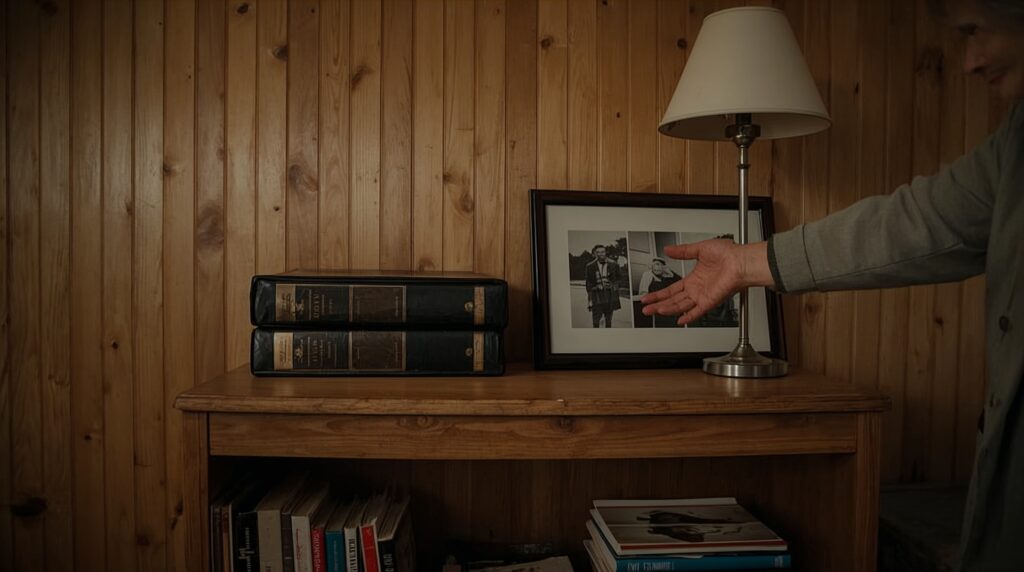
The unfinished trust
“There was a trust. The house just never made it in.”
Dad paid for a trust and kept the binder on the shelf. Nobody ever put the house in it.
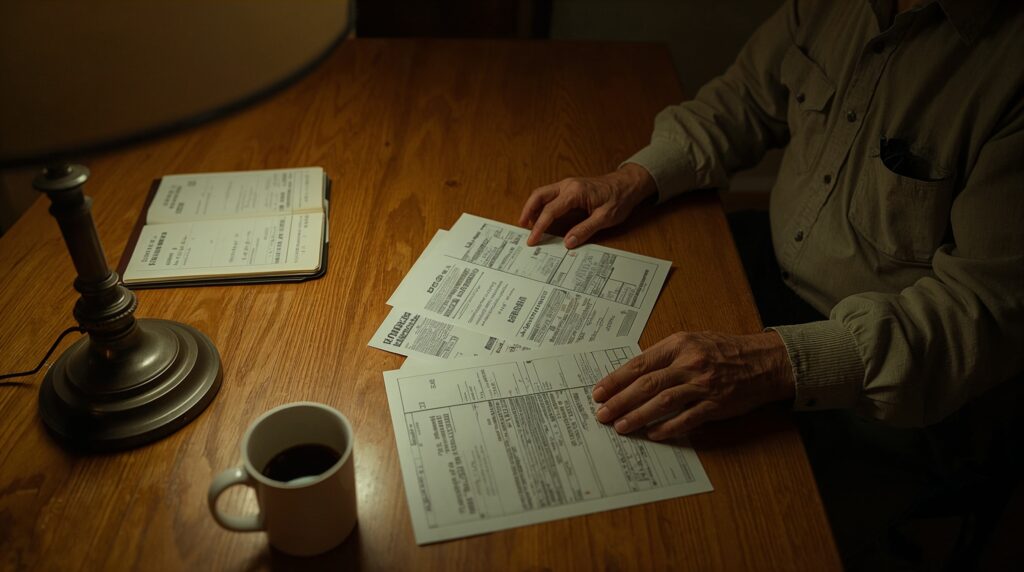
The helper
“By the time she died, the accounts were already empty.”
A cousin helped with the bills, then held the power of attorney. After the funeral, the statements told the rest.