Will contests · Los Angeles
Contesting a will in Los Angeles
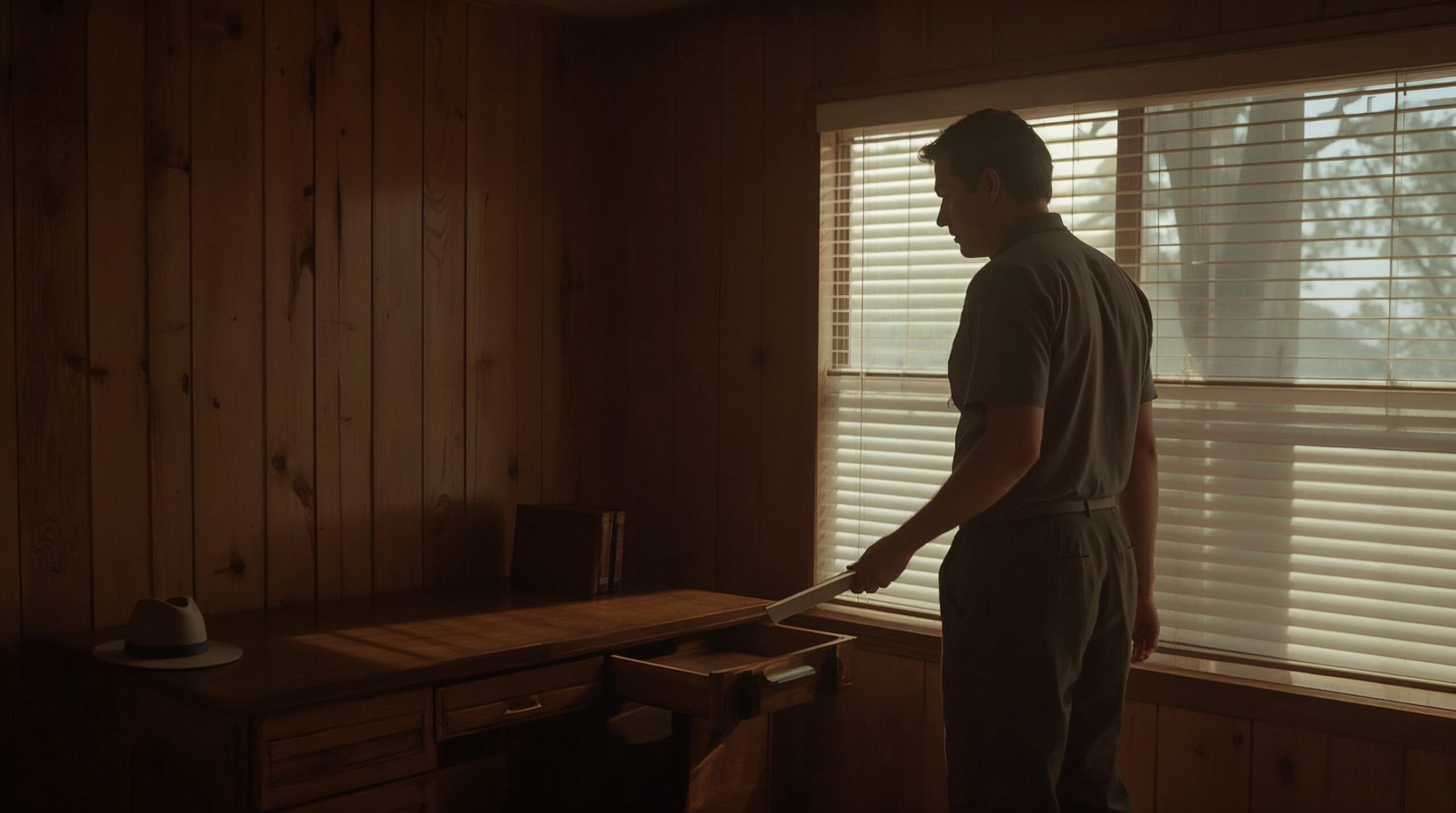
Illustration. Not a real client.
A will is supposed to be the last clear word of the person who signed it. Sometimes it is. Sometimes it is the last word of whoever was in the room.
California lets you challenge a will in probate court when there is real reason to believe it doesn’t reflect what your parent freely and knowingly wanted. That challenge is called a will contest, and John J. Donahue handles them in the probate departments of the Stanley Mosk Courthouse, often on contingency for qualifying cases.
Who can contest a will
You generally need standing, which means you would be better off if the will were set aside. That usually includes:
- Children or other heirs who would inherit under an earlier will or under California’s intestacy rules.
- Beneficiaries named in an earlier will who were cut out or cut down in the later one.
- In some cases, a person who was promised something in writing and then left out.
If you’re not sure you have standing, that is one of the first questions John answers.
The grounds California recognizes
Lack of capacity. The person signing a will must understand, in a general way, what they own, who their family is, and what the document does. Dementia, a stroke, heavy medication or a mental illness that colors their thinking about a specific person can all undercut capacity. A diagnosis alone doesn’t decide it. What matters is the state of mind on the day of signing.
Undue influence. California law looks at whether someone used a position of trust and the person’s vulnerability to replace the parent’s wishes with their own. Courts look at how vulnerable the parent was, the influencer’s apparent authority, what the influencer actually did, and whether the result is unfair. When the person who benefits was also the caregiver, or helped arrange the will, the law may shift the burden onto them to prove the gift was fair.
Fraud or forgery. A will signed because someone lied to the parent about what it was, or a signature that isn’t theirs.
Improper execution. California generally requires a typed will to be signed before two witnesses who understand it is a will. A handwritten (holographic) will has its own rules. When the formalities weren’t met, the will may fail.
A later will or a revocation. Sometimes the fight is over which document is the real last one.
From the calls John gets
“He didn’t know what he signed.”
A daughter calls about her father. In his last year, while his health was failing, his new wife drove him to an office to sign “some papers.” Afterward he told his daughter he wasn’t sure what they were. Now there’s a will none of his children have seen, and his wife has asked the court to admit it.
What John looks at: Who chose the lawyer, who made the appointment, who was in the room, and what his doctors wrote that month. A will arranged by the person it favors, signed while the signer was failing, is the pattern courts look at hardest.
Illustration. Details changed; not a real client. Read a story like this →
How a will contest moves through court
- The petition for probate. Someone files the will with the court and asks to be named executor. If you object before the will is admitted, you can file a written contest then.
- After admission: 120 days. If the will is admitted to probate before you object, California generally gives you 120 days from admission to file a contest. That deadline is firm.
- Discovery. Medical records, the drafting attorney’s file, bank records, texts and emails, and testimony from the witnesses who watched the signing.
- Mediation. Many Los Angeles probate cases are sent to mediation, and many settle there.
- Trial. If it doesn’t settle, a probate judge hears the evidence and decides.
From the calls John gets
“My family made a new will without me knowing.”
A son learns at the funeral that there’s a new will, signed the year before, and that his brother and an aunt “helped Mom with it.” He was named in the old will. He isn’t in the new one, and no one will show him the old one either.
What John looks at: Whether an earlier will exists and where it is, because if the new will falls, the old one is often what takes its place. Copies, drafts, the lawyer who wrote the earlier version, even an envelope in a desk drawer can matter.
Illustration. Details changed; not a real client. Read a story like this →
No-contest clauses
Many wills include a clause that cuts out anyone who contests. Under current California law these clauses are enforced only in limited situations, and generally not against a contest brought with probable cause. That’s a judgment worth making with a lawyer before you file, not after.
What it costs
For qualifying will contests, John works on contingency: no hourly fee up front, a percentage of what he recovers set in writing, and no fee if there is no recovery. How contingency works →
A note about evidence
The strongest will contests are built in the first weeks. Write down what you remember about your parent’s health and conversations in the last year of life. Save texts, voicemails and cards. Note who drove them to appointments and who was at the bank with them. You don’t need to prove anything yet. You need to not lose it.

From the calls John gets
“Doesn’t the video settle it?”
A grandson has a short phone video of his grandfather, months before he died, saying plainly who should get the house. The will that turned up after the funeral says something else.
What John looks at: Usually a recording can’t take the place of a signed will on its own. But it can be strong evidence of what he understood and wanted, and of whether someone later steered him away from it. Keep the original file, its date, and the phone it was made on.
Illustration. Details changed; not a real client. Read a story like this →
In families’ own words
What families ask about wills
Was I wrongfully excluded?
Being left out isn’t wrong by itself. A parent can leave anyone out. The court asks whether the will is truly theirs: whether they understood what they signed, whether someone pressured or misled them, and whether it was signed the way the law requires. If it fails on any of those, it can be set aside, and an earlier will or California’s inheritance rules take its place.
How long do I have?
Not long. Once a will is admitted to probate in California, a contest generally has to be filed within 120 days. It is often better to object before the will is admitted. If a court notice of a probate hearing has arrived, call before that date.
I live in another state. Can I still contest?
Yes. What matters is where your parent lived and where the estate is being handled, not where you live. Most of the work happens by phone, email and mail.
Do I need a copy of the will first?
No. Whoever has the original will must deliver it to the court after a death, and once it’s filed, John can get it. Bring what you have: names, dates, letters, any notice that came in the mail.
Will this blow up my family?
Sometimes the family is already broken by the time anyone calls. Many will contests settle, often in mediation, without a trial. And if John doesn’t think the fight is worth it, he will say so.
Contests by place: Los Angeles County · Los Angeles · Santa Monica · Orange County